

The Africa Cup of Nations final between Senegal and Morocco continues to stir up conversation, not just for the intensity on the pitch but also for the controversies surrounding certain incidents, particularly the towel episode. In this context, the statement from Olivier Safari, president of the referees’ commission of the Confederation of African Football (CAF), has sparked strong reactions and many questions in the African football community.
In a recent statement, Olivier Safari sought to clarify the referees’ commission’s position regarding the famous towel of the Senegalese goalkeeper. According to him, this accessory was not considered game equipment and its management was primarily the responsibility of the match organizer. In other words, the commission believed that the presence of this towel on the field did not violate any rules and should not influence the course or judgment of the match.
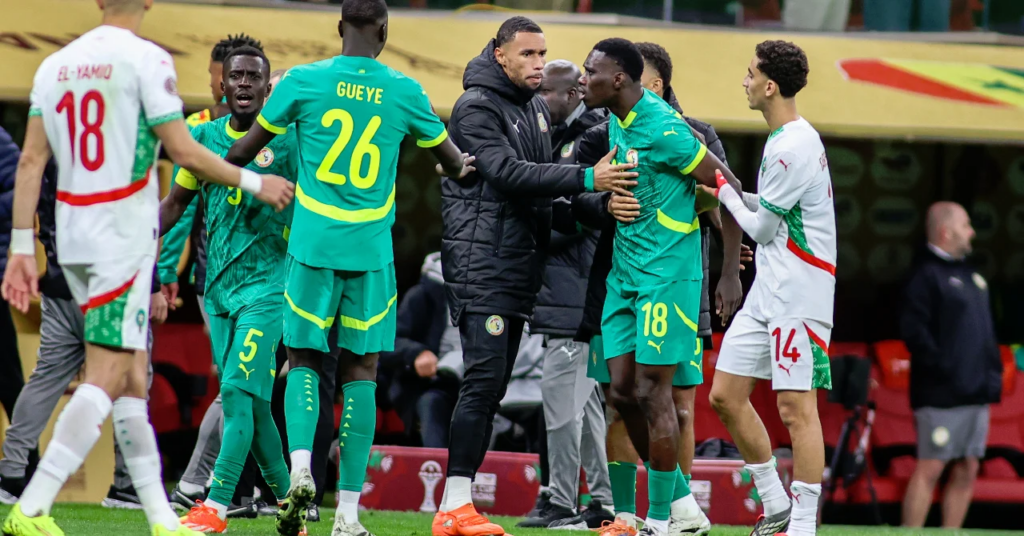
However, this interpretation was quickly challenged by several experts and observers, who point out that the official provisions of the FIFA Laws of the Game strictly regulate all equipment used on the field. According to these rules, any object used by a player, whether decorative or functional, must comply with FIFA’s standards and authorizations, and its use cannot be left solely to the organizer’s discretion. In this context, the position taken by CAF appears to many as a biased and partial reading of the regulations, suggesting that the commission has already taken sides with the Senegalese camp.
This statement comes at a time when African football is particularly attentive to issues of fairness and impartiality in managing major matches. Any ambiguity in the application of the rules can fuel tensions and lead to accusations of favoritism or lack of transparency. Many analysts believe that the referees’ commission’s communication, instead of clarifying the situation, has intensified feelings of injustice and fueled controversies surrounding this final.
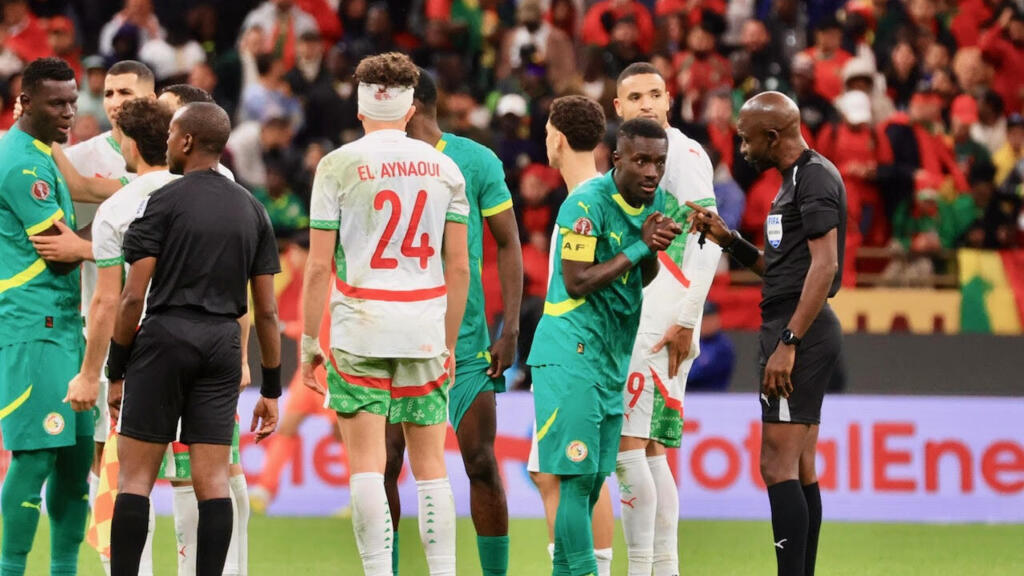
Thus, the towel issue is not just a technical detail: it illustrates the stakes of regulation, authority, and the image of African football. Between official rules and local interpretations, the debate shows how every decision, even on something as trivial as a towel, can have considerable symbolic and media impact. The question remains: did CAF truly act in strict accordance with the Laws of the Game, or did it favor one side in this historic final?


