

Sanctions against Senegal: How FIFA Let Patrice Motsepe and CAF Down
The final of the 2025 Africa Cup of Nations, featuring Senegal vs Morocco, continues to generate a lot of buzz and intense debate across the continent. While the match will be remembered for its dramatic tension and spectacular conclusion, the off-field consequences of this encounter are now in the spotlight. In particular, the disciplinary management of the incidents that occurred during the final raises crucial questions about the role and responsibility of African and global football governing bodies.
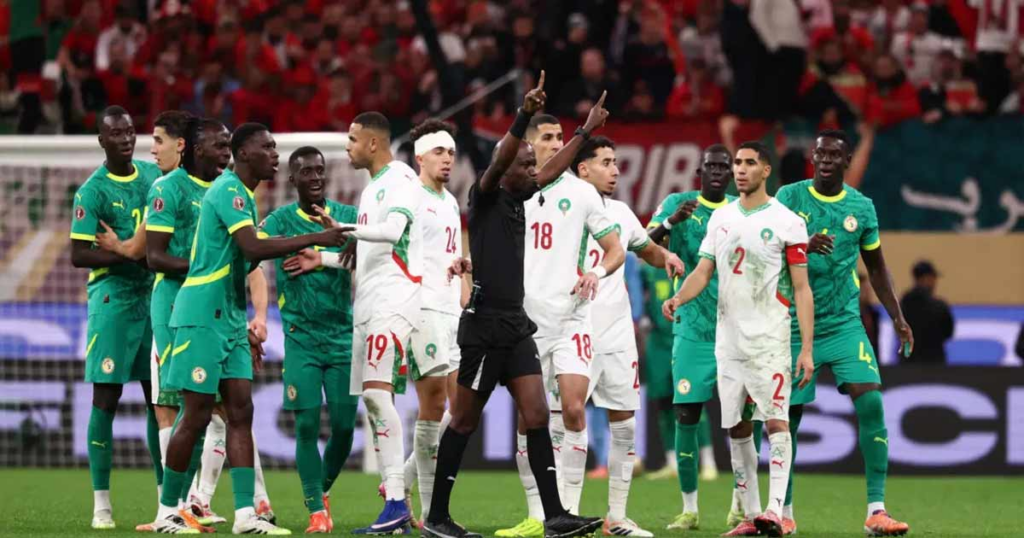
One major point is now clear: FIFA has officially stepped back from the case. According to several sources close to international bodies, the Fédération Internationale de Football Association has decided to not intervene in potential sanctions against Senegal, leaving the CAF to judge the situation alone. This decision, which may surprise given the prestige and importance of a continental final, has been interpreted by some observers as a tacit support for Senegal, while others see it as a worrying retreat in crisis management within African football.
For CAF President Patrice Motsepe, FIFA’s stance is a real diplomatic blow. Not only does it place all the responsibility for the decision on his shoulders, but it also exposes the African body to severe criticism, whether regarding the neutrality of its decisions or the consistency of its sanctions. Several experts believe this situation could set a dangerous precedent, where serious on-field incidents are handled in a partial and regionalized manner, without international oversight.
On Senegal’s side, the news has been met with a mix of relief and caution. While the Lions of Teranga remain confident in their qualification for the 2026 World Cup, questions linger about the potential extent of sanctions that could affect players, staff, or the national federation. Discussions and analyses continue in the media and on social networks, where debates about ethics, discipline, and political influence in African football are raging.
Ultimately, FIFA’s decision to let CAF handle this case alone marks a turning point in the governance of African and international football. It highlights the limits of global intervention in regional affairs and sheds light on the challenges Patrice Motsepe and his team must face to ensure credible and fair management of this controversy.


