

More than a week after the explosive final of the Africa Cup of Nations, the Confederation of African Football (CAF) is gearing up for a decisive moment. This Tuesday, the disciplinary committee of the African football governing body will meet to review the official reports and complaints lodged by the two protagonists of this historic match: Senegal and Morocco. At the heart of the discussions is the central referee’s report, a key document that could weigh heavily in the final decision.
The final, won by Senegal with a score of 1-0 after extra time, was marked by intense tensions at the end of the match. Heated protests, partial invasion of the pitch, interruptions in play, and the temporary withdrawal of Senegalese players fueled a controversy that goes far beyond the sporting realm. In light of these incidents, both federations have approached CAF, each claiming to have been wronged by the opposing side’s behavior and certain refereeing decisions.
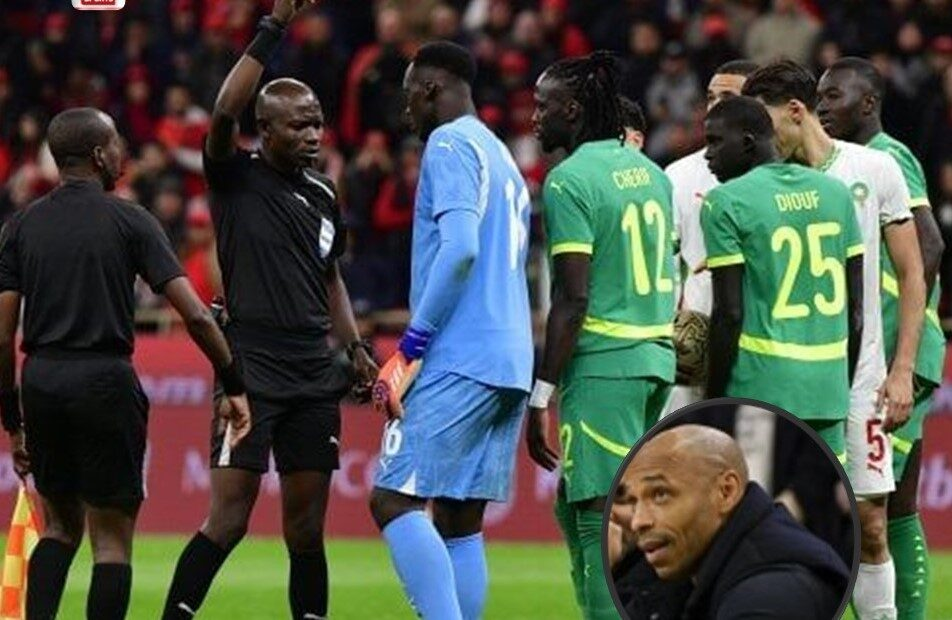
According to the information in the referee’s report, several facts are meticulously recorded. The document first outlines the circumstances that led to the temporary interruption of the match, detailing exchanges between officials, the captains of both teams, and security personnel. The referee also describes the players’ attitudes, the behavior of the coaching staff, and the overall atmosphere in the stadium at this critical moment.
The report notably emphasizes that the match was never definitively abandoned, a central point in Senegal’s defense. The Lions of Teranga believe their temporary withdrawal from the field was part of a structured protest, not an intention to end the match. Morocco, on the other hand, argues that these events disrupted the normal course of the game and violated existing regulations.
Beyond the incidents on the pitch, the disciplinary committee will also analyze video footage, supplementary reports from match commissioners, and observations from CAF delegates. The goal is to determine any individual or collective responsibilities and assess whether disciplinary sanctions are necessary.
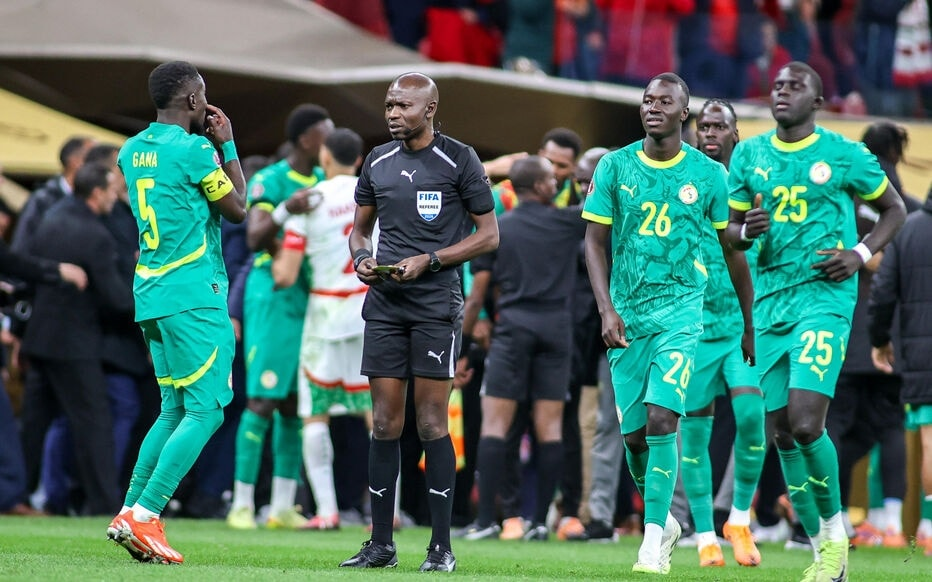
The decisions expected this Tuesday are closely watched, both by fans and national bodies, as they could have significant sporting, financial, and symbolic consequences. However, according to several sources close to the case, the sanctions being considered are not expected to challenge Senegal’s title or its participation in future competitions, including the 2026 World Cup. Now, it remains to be seen how CAF will interpret the referee’s report and the elements presented in the case.


