

The debate over the level of refereeing in Africa has resurfaced after the recent World Cup held on the continent. Speaking on the show “Talents d’Afrique,” sports journalist Nabil Djellit sharply criticized the methods used by the Confederation of African Football (CAF) to appoint referees.
A selection biased by extra-sporting considerations
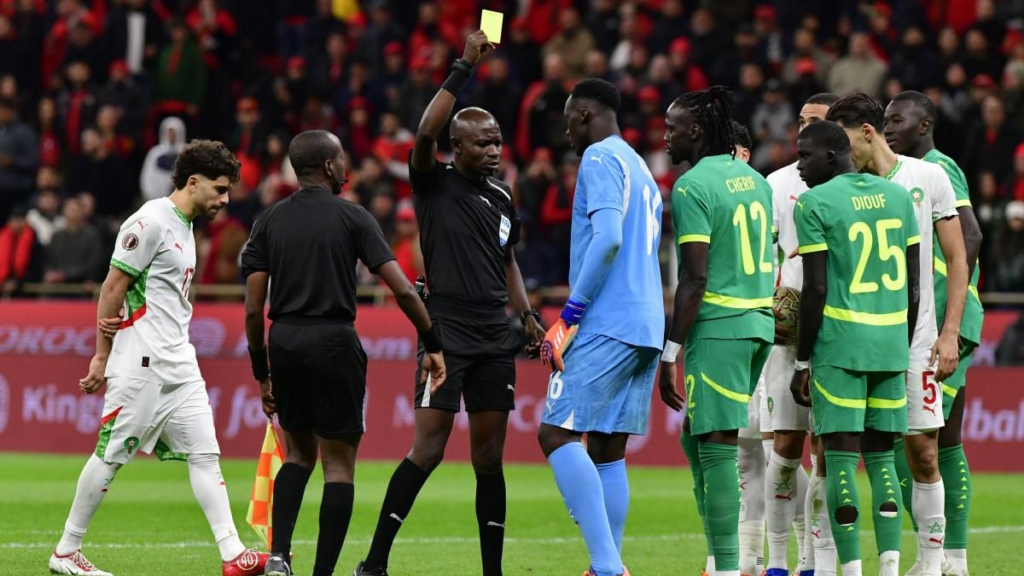
According to Djellit, the CAF Referees Commission seems to prioritize political representation over sporting competence. He believes that the best referees, those officiating in leagues known for their rigor and demands, are often sidelined in favor of less experienced or less active colleagues. This dynamic creates a gap in quality that directly impacts the quality of matches and detracts from the spectacle. The journalist argues that this selection process results from an approach that focuses not on performance but on geopolitical considerations and geographical representation.
Djellit emphasizes that this situation is not the fault of the referees themselves, but of a system that does not provide them with the optimal conditions to succeed. He draws a parallel with other major competitions, like those held in Europe or globally, where competence and performance of referees take precedence over any other consideration.
A blow to the credibility of African football
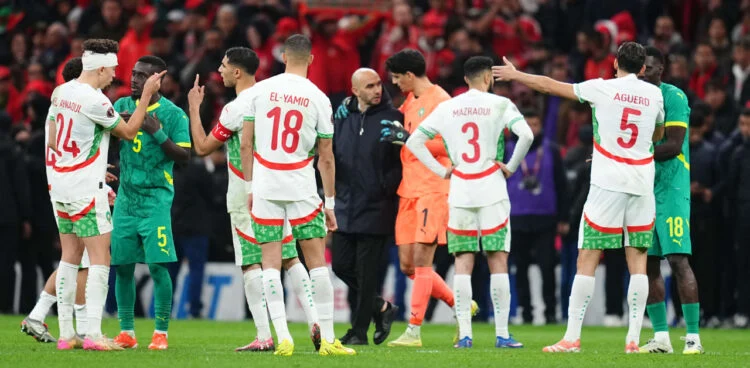
For the columnist, this situation severely undermines the credibility of African football on the international stage. He believes that significant efforts have been made, especially in terms of modernizing stadiums and improving sports infrastructure, but these advances are overshadowed by refereeing decisions that seem undervalued. Djellit dismisses the notion that criticism only comes from social media, arguing that it is a structural problem that affects the very foundations of African football.
He therefore calls on the governing bodies to make refereeing reform an absolute priority, even if it leads to tensions with certain national federations. According to him, the geographical representation of referees should no longer take precedence over sporting excellence. If African football truly wants to gain credibility and compete internationally, it must tackle this issue in a radical and urgent manner.


