

Thierry Henry commented on the performances of African teams during the 2026 World Cup, highlighting both the progress made and the ongoing difficulties in managing crucial moments. According to him, the continent’s selections have shown a high level of competitiveness, with a notable presence in the later stages of the tournament. However, recurring scenarios raise questions about their ability to handle match endings when they have a lead.
“Listen, the journey of African football in this 2026 World Cup is historic: seeing nine teams advance from the group stage is incredible and shows real talent and progress. But we have too often seen this frustrating scenario: taking the lead but struggling to hold onto it in key moments, due to a lack of game control or pressure management.
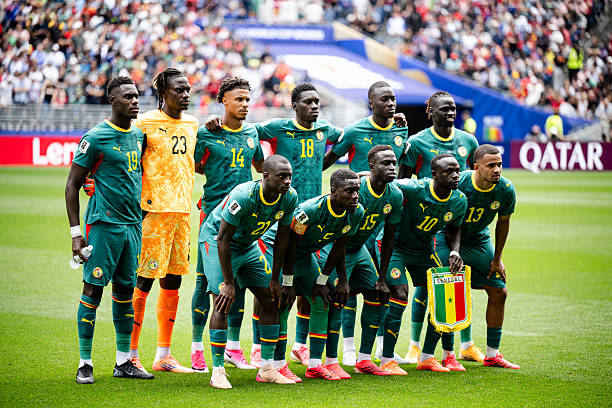
This was evident both in the group stage and in the knockout phase: South Africa leading but conceding a late goal against Canada, other teams dropping points after being ahead, and especially the match yesterday between Senegal and Belgium in the Round of 16. Habib Diarra opened the scoring in the 24th minute, then Ismaïla Sarr made it 2-0. Senegal dominated and seemed to have the victory in hand with just minutes to go, but Lukaku (86th) and Tielemans (89th) forced extra time. A controversial late penalty sealed Belgium’s victory (3-2). Senegal had the qualification in their grasp but couldn’t finish the job.
The talent is world-class and representation is at record levels, but sometimes that ultimate composure is missing. To go further, these teams need to show ruthless discipline in managing matches when they are ahead. Africa is rising; correcting this issue will pave the way for even greater successes.
In his analysis, the former international emphasizes a structural dimension of the game. He believes that African teams now have a technically competitive squad against the big nations, but they still struggle to manage critical phases of a match. This fragility isn’t just linked to individual mistakes, but to sometimes insufficient collective organization when the pace of the game changes abruptly. The ability to control the ball, to slow down the game, and to secure defensive areas appears to be a key factor in knockout competitions.
Several matches in the tournament illustrate this point. South Africa, after taking the lead against Canada, ended up conceding a late goal that reduced their chances of qualification. Other African selections also let favorable results slip away in the group stage, often in the dying minutes. The match between Senegal and Belgium remains the most striking example: after leading 2-0 thanks to Habib Diarra and Ismaïla Sarr, the Lions saw the match slip away in regulation time, before being completely overturned in extra time, despite having controlled the game for long stretches.
🚨🎙️Thierry Henry on African Teams’ Struggles to Hold Leads at the 2026 World Cup
🗣️“Listen, African football at this 2026 World Cup has been historic — nine teams advancing from the groups is incredible, showcasing real talent and progress. But we’ve seen this frustrating… pic.twitter.com/w8xELXhQkP
— Lemon (@Lemonbriz) July 2, 2026
Thierry Henry believes these situations should serve as a basis for reflection for upcoming international competitions. While the progress of African football is evident, particularly through the qualification of several teams and their overall competitiveness, the next step is better management of decisive moments. Mastering match endings and tactical discipline during pressure phases are essential areas to transform this potential into sustainable results at the highest level.


