

The 2026 World Cup kicks off amid a climate already marked by off-field tensions that could directly impact the competition. Several recent incidents and official statements are fueling an increasingly sensitive atmosphere around certain matches, especially those involving Iran, which has qualified for the tournament.
According to various reports from specialized media, one team participating in the competition has issued a formal warning to FIFA. This team claims it could walk off the pitch if political protests or dissenting symbols appear in the stands during its matches. This public stance puts the international organization in a tricky situation as the kickoff approaches.
In this context, Iran’s situation is drawing particular attention. According to the Iranian site Varzesh3, the country’s sports authorities have confirmed they sent an official notification to FIFA. This notification states that the Iranian delegation could withdraw from a match if political chants or flags associated with the opposition appear in the stadiums. Certain historical symbols used by groups opposing the current regime are particularly targeted, often displayed during international matches involving the Iranian team.
FIFA, on its part, reminds everyone that only the official emblems of participating nations are allowed in sports venues. This rule aims to limit the introduction of political elements into international competitions, to maintain a strictly sporting environment. However, enforcing this rule in contexts of high political tension and significant diaspora presence poses practical challenges.
The geopolitical context further complicates the situation. Relations between Iran and the United States remain tense, which has already affected the logistical preparations of the Iranian team. Some sources indicate that their training camp has been moved from U.S. territory to Mexico, with their presence on U.S. soil limited to match days only.
The schedule of the group in which Iran plays heightens these issues. Several matches are set to take place in American cities with large Iranian diaspora communities. This setup increases the likelihood of political messages appearing in the stands, which is precisely the point of tension raised by Iranian authorities.
In this framework, FIFA faces a difficult balance between managing security, respecting sporting regulations, and upholding spectators’ freedom of expression. Any escalation during the concerned matches could lead to significant sporting and organizational consequences.
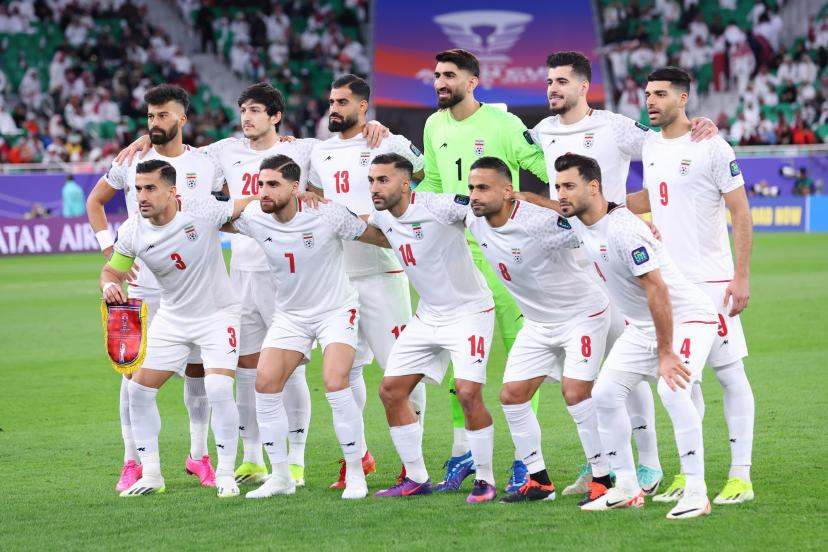
Iran must also finish its group stage in Seattle, with a schedule already under scrutiny. Organizing bodies will closely monitor the situation, as various stakeholders express differing views on managing political symbols in stadiums.
As the tournament approaches, these tensions add another layer to a competition that, beyond the sporting stakes, finds itself exposed to diplomatic and political dynamics that could influence its course.


