

The official ball of the 2026 World Cup, named “Trionda” and designed by Adidas, has sparked plenty of debate since the competition kicked off. Many observers and goalkeeper specialists are questioning its flight behavior, which is sometimes seen as unpredictable. Some analyses suggest its trajectory and speed are harder to read than those of balls used in previous tournaments, fueling a growing controversy around its technical characteristics.
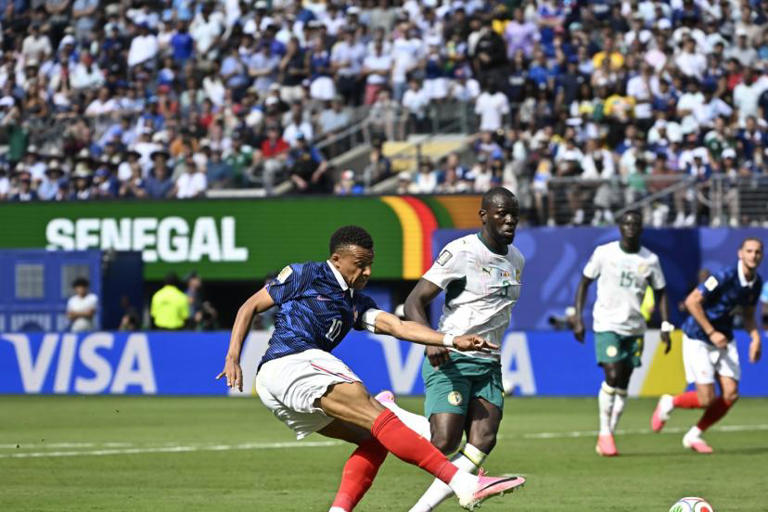
Criticism has intensified after several goals conceded in situations where goalkeepers seemed well positioned. One of the most talked-about moments was Kylian Mbappé’s long-range strike against Senegal, where Édouard Mendy was caught off guard despite trying to intervene. RMC reports that this incident is frequently cited as an example of the challenges some keepers face with the Trionda, reigniting questions about its performance in matches.
Several former top-level goalkeepers have also voiced their concerns. Joe Hart, the former England international, claims he has seen unusual situations where keepers managed to touch the ball but failed to deflect it effectively. Meanwhile, Kasper Schmeichel mentions a ball design that could influence how trajectories are read, particularly due to its four-panel structure and unique aerodynamics.
Christophe Lollichon, former goalkeeping coach at Chelsea and currently with Dunkerque, provides a more detailed technical analysis. He believes some trajectories can be misleading for goalkeepers. “The ball compresses at the start and gains speed in the second part of its trajectory,” he explained on RMC. According to him, this behavior can disrupt the timing of interventions and complicate saves, even for experienced keepers. He also cites the goal conceded by Mike Maignan against Senegal, suggesting that the ball’s effect slightly altered his initial run.
In response to these criticisms, Adidas firmly defends the qualities of the Trionda. The German manufacturer highlights a ball designed to offer better stability in flight and optimized grip, even in varying weather conditions. The company assures that its tests meet international standards and that the ball has been validated for high-level requirements.
🇫🇷 Mbappé’s second goal! France 3×1 Senegal.
This goal made him the 3rd top scorer in World Cup history, alongside Gerd Müller (14 goals) and behind Ronaldo (15) and Klose (16).
He also became France’s all-time leading scorer (58 goals).
🎥 @CazeTVOficial pic.twitter.com/JP9V9T9N72
— Planeta do Futebol 🌎 (@futebol_info) June 16, 2026
Despite these elements, the debate remains open within the football world. With feedback from former goalkeepers, technical analyses, and the equipment manufacturer’s stance, there is no formal evidence at this stage to directly attribute the observed difficulties solely to the ball’s design. The controversy continues to fuel discussions around this 2026 World Cup.


