

The African Football Confederation (CAF) recently announced a major decision regarding the prize money awarded to clubs participating in its interclub competitions, starting from the 2025-2026 season. This significant increase in financial rewards marks an important turning point for African football and could greatly boost the competitiveness and ambition of clubs across the continent. The CAF’s stated goal is clear: to encourage teams to push their limits and elevate their level of play, while enhancing the visibility and attractiveness of its competitions.
For the Champions League, the most prestigious of African interclub competitions, the winner will now see their prize jump to six million dollars, up from four million previously. This two million dollar increase reflects the CAF’s desire to further value excellence and performance at the highest level. Meanwhile, the runner-up will receive a reward of two million dollars, a sum that could provide crucial financial support for clubs, allowing them to invest better in their infrastructure, training, or player recruitment.
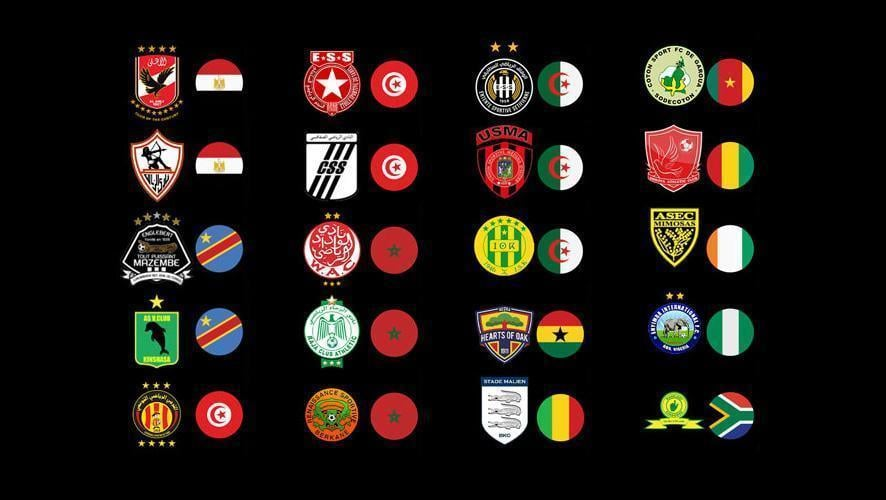
For the Confederation Cup, the CAF has also increased its prize money. The winning club will now receive four million dollars, up from just two million before, while the runner-up will get one million dollars. Although these amounts are lower than those of the Champions League, they remain significant for boosting the competitiveness of clubs in this second continental competition. Through these measures, the CAF aims not only to reward performances but also to encourage all participating clubs to aim for the highest level and prepare seriously for each match.
However, despite this attractive financial outlook, the situation remains complicated for some countries, particularly Senegal. In the last edition of the interclub competitions, no Senegalese club managed to get past the group stage, being eliminated in the playoffs. Only a few clubs managed to stand out and show their potential, notably Teungueth FC, Jaraaf, and Jeanne d’Arc (JA), who reached the quarter-finals. Nevertheless, the overall record remains limited and highlights the ongoing challenges faced by Senegalese clubs on the continental stage, whether in terms of preparation, resources, or competitiveness against better-structured teams.
This increase in prize money presents a major opportunity for African clubs, including those from Senegal, to strengthen their strategies, invest more, and aim for more ambitious performances in the future. The CAF sends a strong signal: Africa has immense footballing potential, and it is time for its clubs to be rewarded in line with their efforts and ambitions.


