

The debate over spending related to major international competitions is back on the table after Senegal’s victory at the Africa Cup of Nations (AFCON) held in Morocco. This time, the figures provided by sports authorities shed detailed light on the management of this successful campaign.
Khady Diène Gaye, the Minister of Sports, revealed that the Senegalese government allocated a budget of 5 billion 125 million CFA francs for the Lions to participate in the AFCON in Morocco. This amount is significantly lower than previous campaigns, including those that ended in early eliminations.
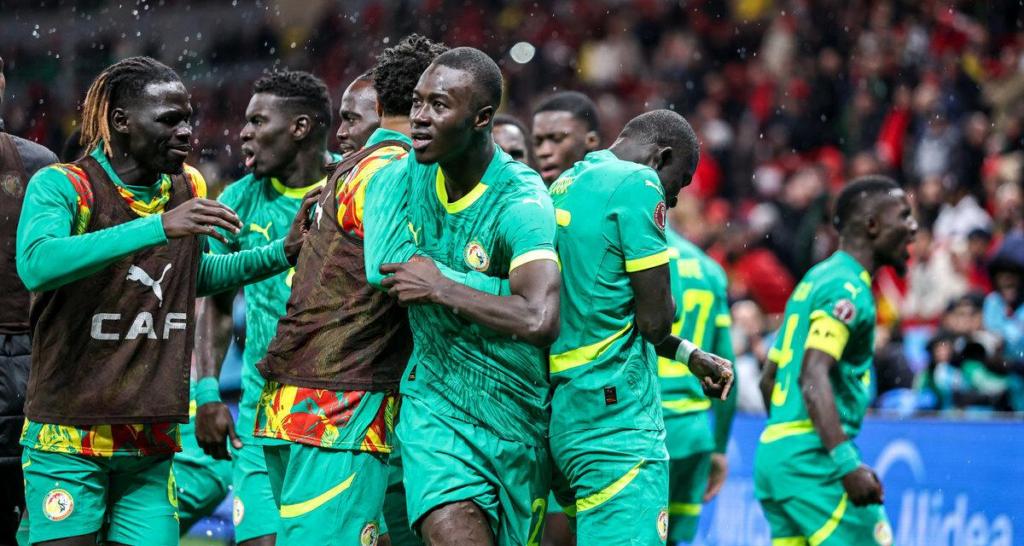
During the 2022 AFCON in Cameroon, where Senegal claimed its first continental title, expenses reached around 6 billion 500 million CFA francs. This amount was justified by the extended stay, logistical requirements, and the scale of the event. Just a few months later, at the 2022 World Cup in Qatar, where Senegal was eliminated in the round of 16, spending exceeded 11 billion CFA francs, making this campaign the most expensive in recent years, despite an early exit before the quarter-finals.
More recently, at the 2023 AFCON in Ivory Coast, where Senegal was knocked out in the round of 16, expenses nearly hit 7 billion CFA francs. This amount was higher than the budget for the victorious campaign in Morocco, despite a performance that fell well short of expectations. In contrast, the 2024 edition, marked by triumph in Morocco, allowed Senegal to secure the continental title with a budget of 5 billion 125 million CFA francs, much lower than other participations, including those that did not yield sporting success.
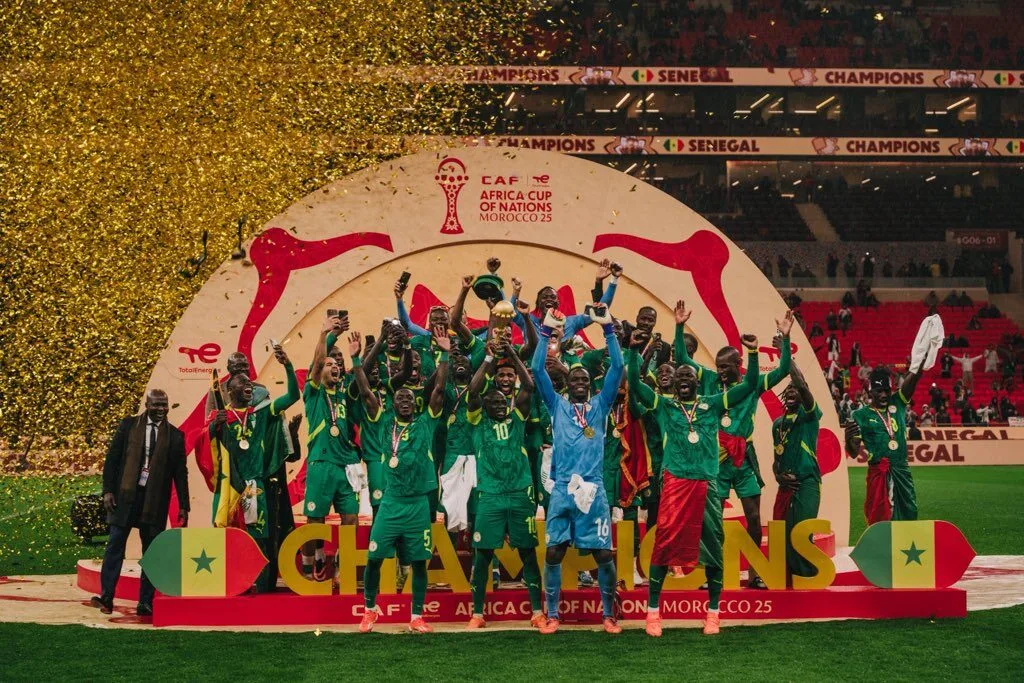
These figures highlight not only the effectiveness of investments in this new campaign but also a more optimized management of resources, marked by a reasonable budget while ensuring sporting success. This contrast with previous editions, often characterized by higher spending for less satisfying results, brings to light the question of optimizing expenses in major sporting competitions.


