

In the wake of the CAN 2025 final, some Moroccan media launched fierce attacks against Sadio Mané. The Senegalese international, who played a crucial role in the match’s outcome and helped resume play after the tensions at the end of regulation time, is far from winning unanimous support across the Mediterranean.
The media outlet Le 360, one of the most influential in the Cherifian Kingdom, refuses to acknowledge Mané as the hero of this final. If the Lions of Teranga eventually returned to the pitch, it was largely thanks to the intervention of their Senegalese captain, who managed to calm the situation and convince his teammates to continue the match.
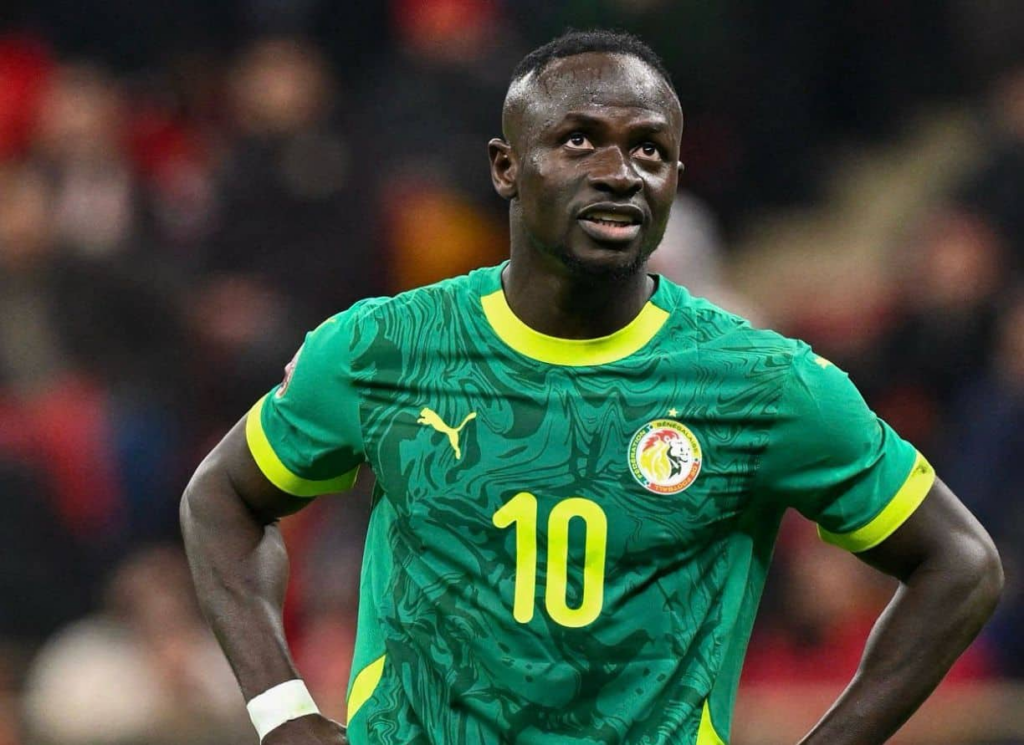
But for Le 360, this narrative doesn’t hold. The outlet instead puts forward the theory of a “plot” carefully orchestrated against Morocco, allegedly conceived beforehand and executed methodically by Sadio Mané and his teammates. This heavy accusation only fuels the controversies surrounding this already explosive final.
The Moroccan media Le 360 categorically denies the decisive role played by Sadio Mané in the outcome of the CAN 2025 final. Yet, it was indeed the intervention of the Senegalese captain that allowed the Lions of Teranga to return to the pitch after their exit amid high tensions caused by highly disputed refereeing decisions.
But for Le 360, this gesture is anything but heroic. The media argues instead that it fits into a carefully premeditated “plot” against Morocco. In this interpretation, Mané is even portrayed as a central figure in a pre-planned scenario, with clearly defined roles. The newspaper goes so far as to label the Senegalese forward a “facade hero and backstage anti-hero,” suggesting a staged performance aimed at manipulating the match’s outcome.
This controversial thesis completely overlooks the refereeing decisions at the heart of the debates, including the whistle deemed premature on a Senegalese goal-scoring opportunity and the penalty missed by Brahim Diaz in the dying seconds of regulation time. These elements are simply ignored, implying that Senegal controlled the entire scenario, even pulling the strings of their opponent.
To support its version, Le 360 also references a phone call from El Hadji Ousseynou Diouf as the Senegalese players left the pitch, presented as additional evidence of this alleged machination. The media describes a meticulously orchestrated operation: Pape Thiaw playing the role of indignation over the refereeing, Senegalese supporters depicted as troublemakers, El Hadji Diouf as the intermediary tasked with defusing the crisis, and Sadio Mané as the calming figure bringing his teammates back onto the field.
This radical and accusatory reading further fuels the controversies surrounding a final already marked by deep tensions.
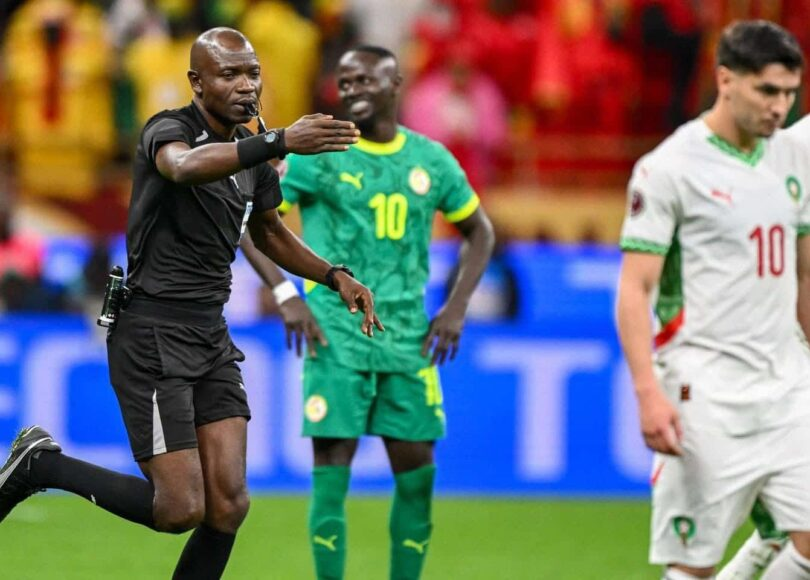
This reinterpretation of events quickly sparked strong reactions. Columnist Philippe Simo harshly criticized Le 360‘s article, bluntly calling it a “rag.” According to him, this media outburst reveals a lot about the mindset of some Moroccan observers after the defeat.
Philippe Simo instead calls for clarity and fair play, urging acceptance of the final result. He believes the debate should focus on more relevant issues, like the Panenka attempted by Brahim Diaz or the controversies surrounding the towels, rather than trying to blame Senegal and its players.


