

Ticket prices for the 2026 World Cup are already skyrocketing on FIFA’s official resale platform. This is happening even though the tickets, considered particularly expensive from the start, have just been distributed after the sales phase closed in January.
On the official resale platform, the price differences are already staggering. On Wednesday, a category 3 seat – the highest part of the stands – for the opening match Mexico–South Africa on June 11 in Mexico City was listed at $5,324, compared to the original price of $895.
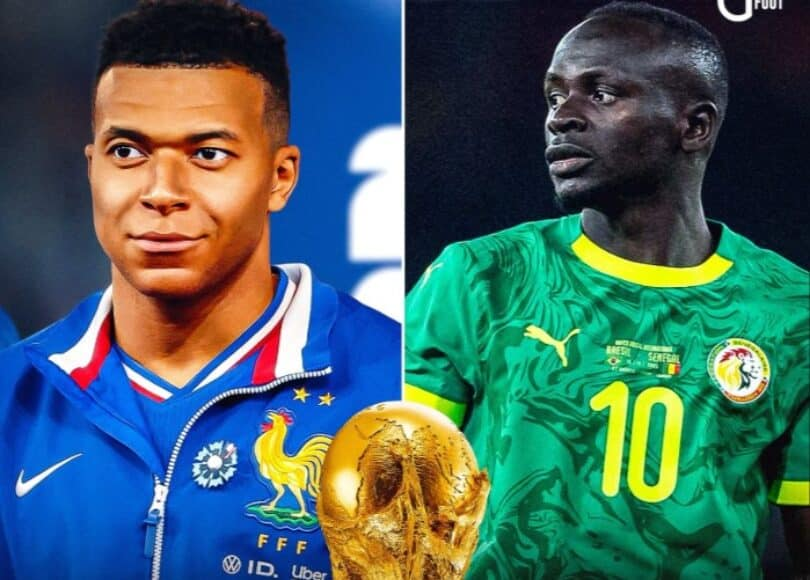
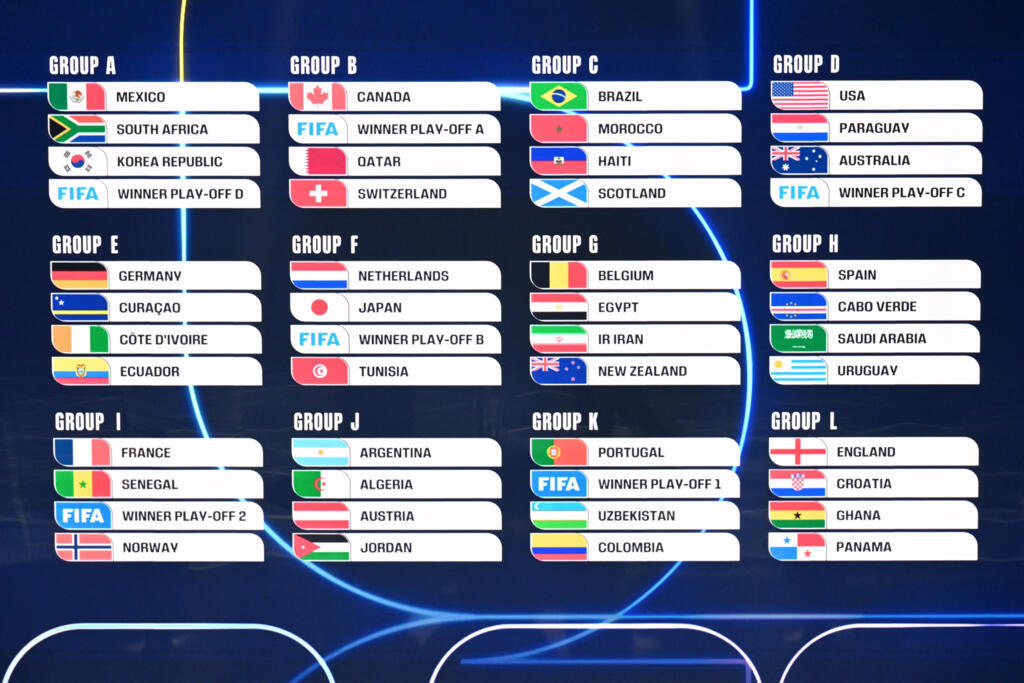
For the clash between France and Senegal, scheduled for June 16 in East Rutherford (New Jersey), tickets are listed at five times the original price: $1,000 instead of $219. For a seat closer to the pitch, in category 1, the price reaches $1,380, while the base price was $620.
The same trend is seen for Brazil–Morocco on June 13 at the same stadium: a seat in the upper tier is now offered at $1,725, more than seven times its original purchase price. As for the final on July 19, a category 1 ticket originally sold for $7,875 is now nearing $20,000.
However, there are a few exceptions, like Austria–Jordan in San Francisco: a ticket bought for $620 is reselling for $552, providing a rare “affordable” opportunity in this completely unregulated market.
These outrageous price differences have led many observers and fans to denounce “indecent” offers, highlighting a spectacular and almost immediate inflation of prices for the 2026 World Cup.
“These exorbitant prices unfortunately don’t surprise me. It reflects what we know and what we fight against: many buy to resell,” laments Guillaume Auprêtre, spokesperson for the Irrésistibles Français (IF), the main supporters’ group for the Blues, which has nearly 2,500 members.
“In the end, who pays the price? The true fans, faced with indecent price offers,” he adds. “We would prefer these tickets go to those who actually come to support their team, but unfortunately, that’s not the case.”
Despite these astronomical prices, many tickets continue to sell.
While the resale platform carries the FIFA label, the organization specifies in its sales conditions that it acts only as a “facilitator” – with a 15% fee – in this “fan-to-fan market,” and that the reseller freely sets the price of each ticket.
“The pricing model adopted for the World Cup reflects existing practices for major sporting and entertainment events in host countries,” FIFA explains in a statement.
In the United States and Canada, the resale market is free. In Mexico, it is illegal to resell a ticket for profit, but only if the purchase was made on the territory and in pesos. During the 2024 Olympics in Paris, resale could not exceed the original ticket price.
This system thus establishes a “variable” pricing structure, which sometimes favors speculators at the expense of traditional supporters.
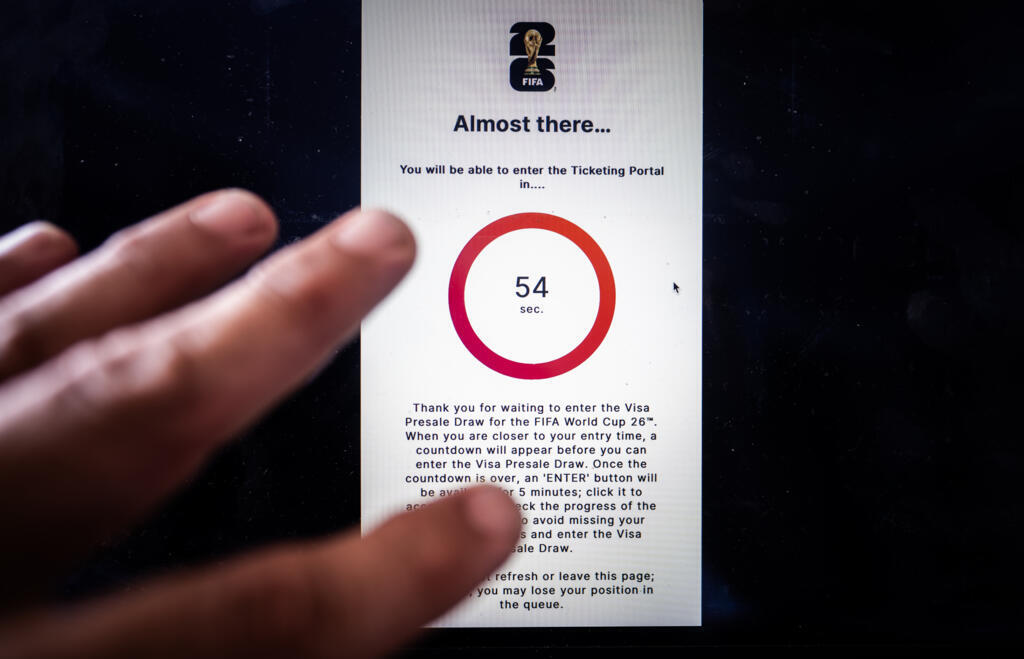
Ticketing remains one of the most sensitive issues of this World Cup. FIFA has faced sharp criticism for the already very high ticket prices, both for the general public and for official supporters’ associations, since reservations opened in September.
For the most attractive matches, tickets sold between December and January were priced from $265 to $700 for Brazil–Morocco, and from $4,185 to $8,680 for the final. In response to these criticisms, FIFA justified its prices by citing “crazy” demand, according to its president Gianni Infantino. The second sales phase attracted nearly 500 million fans.
However, the organization created a category of $60 tickets reserved for official supporters’ clubs in December, but the quota remains very limited, according to the Irrésistibles Français (IF).
Since February 5, FIFA has been informing participants about ticket availability from this second sales phase, which wrapped up in January. This will keep fueling the resale market. A final “last-minute” phase is set to kick off in April and will run until the end of the competition, following a “first come, first served” principle.
During these various windows, FIFA applies “variable pricing,” where prices fluctuate “based on demand and availability” for each match. However, the organization clarifies that this is not a “dynamic pricing model,” as rates are not automatically adjusted.


