

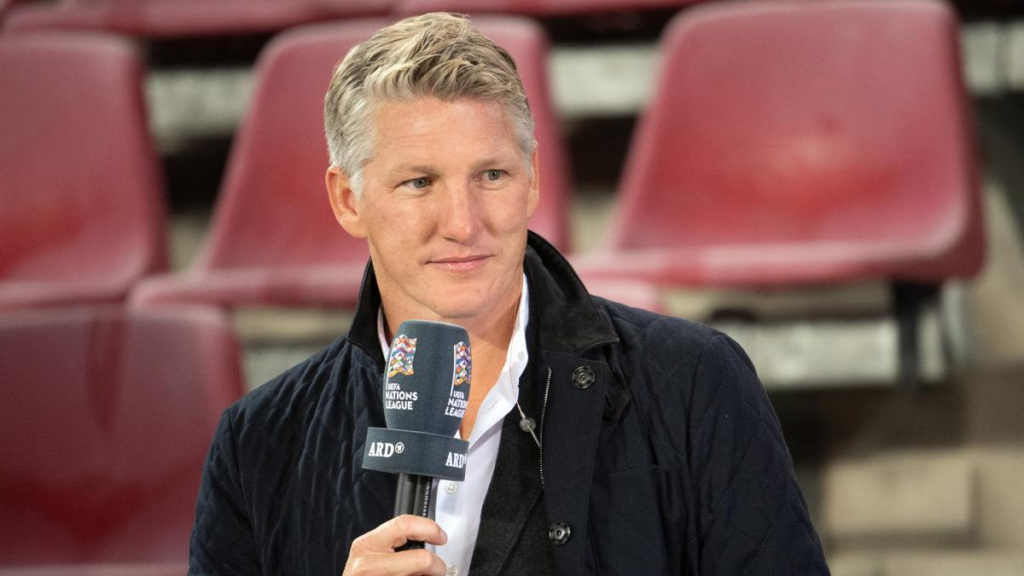
Bastian Schweinsteiger’s comments on Ivorian football continue to spark strong reactions. The former German midfielder recently labeled the Ivorian style of play as “wild football,” a phrase that has caused widespread outrage among many football observers. This statement is seen by some as reductive, fueling a debate about the perception of African teams in major international competitions.
Ivorian sports journalist Malick Traoré responded firmly. While expressing respect for “the man, the player, the legend” that Schweinsteiger is, he rejects what he sees as a form of paternalism and humiliation. He questions the meaning of the terms used and their implications: “What is wild football? Does that mean there is civilized football? Who has the monopoly on that?” he denounced.
For Malick Traoré, this statement does not reflect the reality of Ivorian football, noting that many international players compete in the biggest European leagues and meet the demands of modern football. He criticizes a view he considers still condescending towards African football, despite the progress and performances seen on the international stage. “No matter the talent and quality of play we can offer, there will always be a minority who will come to belittle what we present in the name of expertise,” he added.
The journalist concludes with a note of indignation, quoting Albert Camus: “Stupidity always insists.” This stance reignites the debate on the persistent stereotypes surrounding African football and how it is sometimes evaluated through outdated lenses by some observers.
On social media, reactions are mixed. Some believe the response should come through sporting results: “Our players need to respond to this gentleman by winning on the field. Show him that even being wild, we can beat them and win a World Cup. Our players need a winning mentality, dominating matches against the so-called civilized.”
“I think that’s what Brazil did in the past, and they are respected today.” Others denounce a demeaning perspective: “You can’t change nature; it always comes back! These people strive to see us as humans. In reality, we are not in their subconscious.” And again: “A victory for Côte d’Ivoire against Germany would have changed his perception of African teams. Alas!”
Other comments emphasize the mental and cultural aspect of the debate: “As long as our national teams play while ‘respecting’ Western teams, as long as they don’t beat them but are fearful in their presence, this kind of talk will thrive. Since the start of this World Cup, I haven’t seen a so-called ‘civilized’ white team capable of humiliating an African team if that team plays to its true value without an inferiority complex.” Finally, another analysis stresses the weight of words: “Labeling African football as ‘wild’ is not just a technical analysis.
Dear Bastian…
I respect the man, the player, the legend you are. However, I will not accept paternalism, humiliation, bullying, ordinary racism… What is wild football? Does that mean there is civilized football? Who has the monopoly on… pic.twitter.com/lYhFlvLRzS
— Malick Traoré (@mlktraore) June 24, 2026
Words carry weight, history, and sometimes prejudices they unconsciously convey. Africa does not need validation from anyone to demonstrate the quality of its football. Its players shine in the biggest clubs in the world, win the most prestigious trophies, and contribute to the evolution of modern football. One can criticize a playing system, tactical organization, or sporting performance. But reducing an entire continent to ‘wild’ football is a caricature that has no place in 21st-century football. Respect is owed to all peoples, all cultures, and all schools of football. Because talent has no color, no continent.


