

Ticket prices for the 2026 World Cup are already skyrocketing on FIFA’s official resale platform, even though the tickets, already deemed very expensive, have just been allocated following the sales phase that ended in January.
On this official exchange market, some offers are reaching astonishing heights. For example, a category 3 seat — located in the highest stands — for the opening match Mexico–South Africa, scheduled for June 11 in Mexico City, is listed at $5,324, compared to $895 during the initial sale.
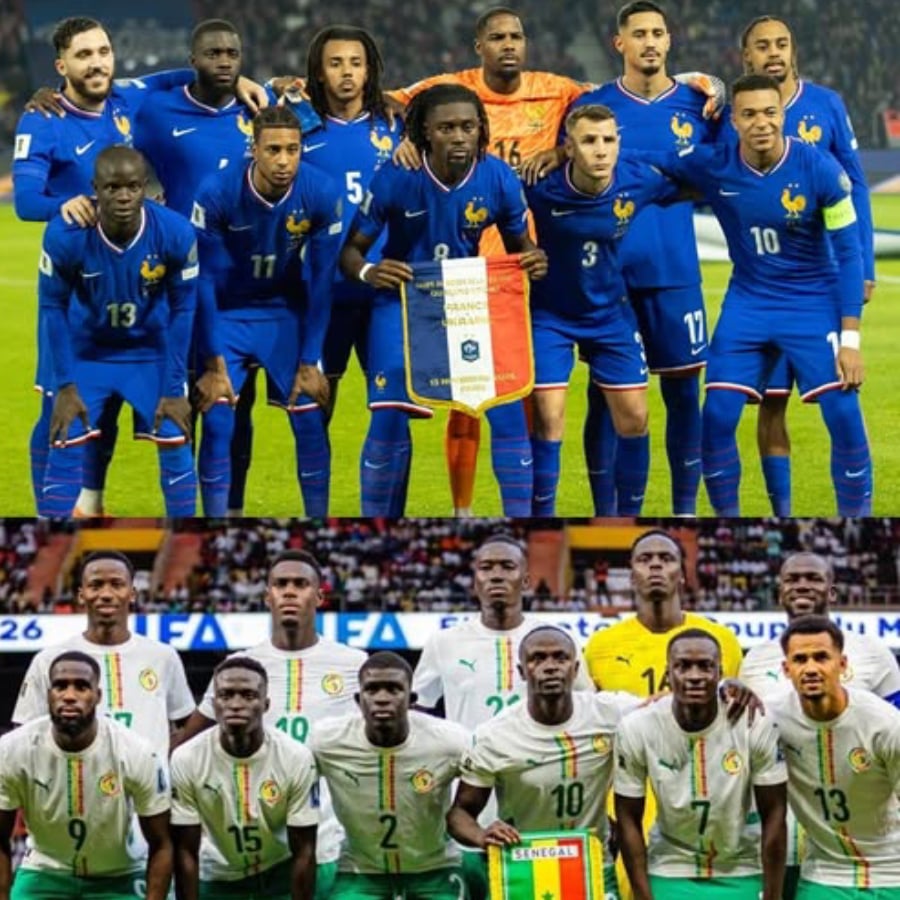
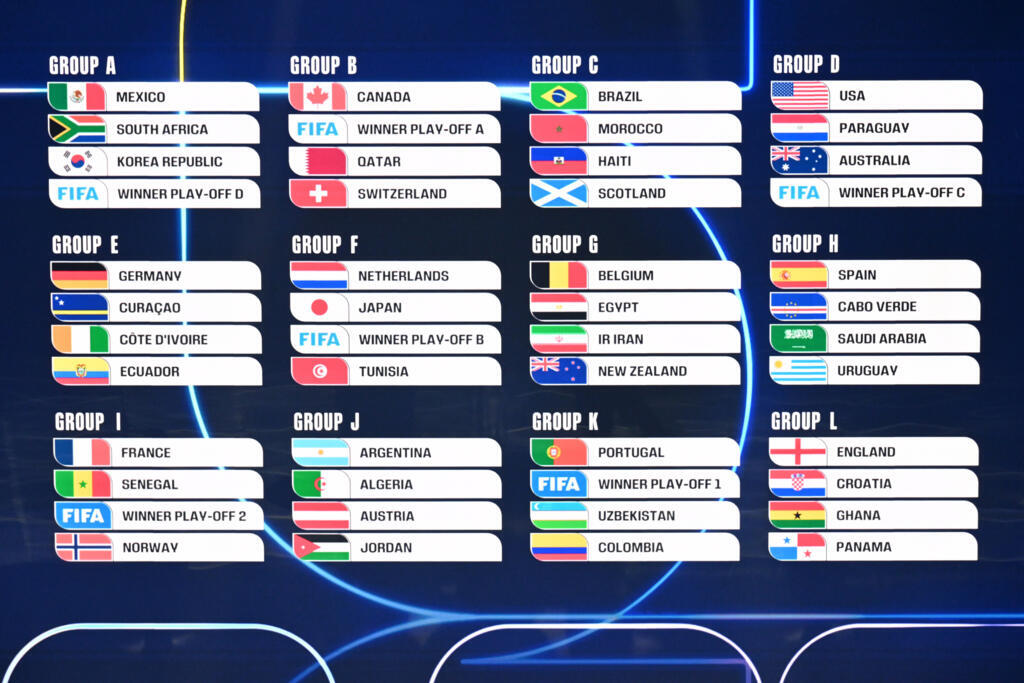
For France’s first match against Senegal on June 16 in East Rutherford (New Jersey), tickets on the platform are trading for nearly five times their original price: around $1,000 instead of $219. Just a bit more expensive, for $1,380, fans can snag a category 1 seat, closer to the pitch, originally sold for $620.
The same goes for the Brazil–Morocco match, scheduled for June 13 at the same stadium: a seat located high up is being offered for $1,725, over seven times its purchase price. As for the final on July 19, a category 1 ticket initially sold for $7,875 is now nearing $20,000 on the platform.
There are a few rare exceptions, though: a ticket for Austria–Jordan in San Francisco, bought for $620, is currently being resold for $552.
Faced with these excessive amounts, Guillaume Auprêtre, spokesperson for the Irrésistibles Français — the main supporters’ group for the Blues with 2,500 members — says he is not surprised. “These outrageous prices unfortunately don’t shock me. It reflects a phenomenon we denounce: many buy with the intent to resell,” he explains. “In the end, it’s the true fans who suffer, confronted with indecent offers. We would prefer these tickets go to supporters who come to cheer for their team, but that’s not the case.”
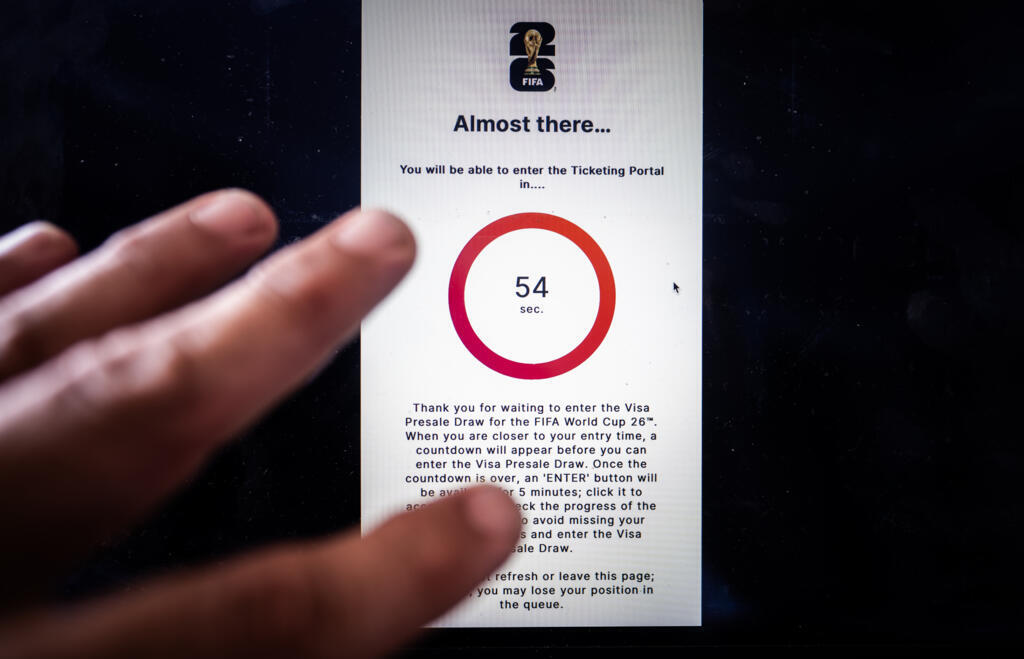
Despite these soaring prices, many tickets are still finding buyers.
Although FIFA has certified the resale platform, it operates merely as an intermediary. The global body states it acts as a “facilitator” in this “fan-to-fan” market, taking a 15% commission, while the seller freely sets the resale price.
FIFA justifies its pricing policy by saying it aligns with practices for major sporting and cultural events in host countries. In the United States and Canada, ticket resale is indeed unrestricted. In Mexico, it is banned when it generates profit, but only for tickets purchased locally and paid in pesos. For comparison, during the Paris 2024 Olympics, resale could not exceed the original price.
The issue of ticket prices remains a sensitive topic for this 2026 World Cup. From the moment reservations opened in September, FIFA faced sharp criticism regarding the cost of tickets, both for the general public and for official supporters’ associations.
Between December and January, tickets were offered between $265 and $700 for Brazil–Morocco, and between $4,185 and $8,680 for the final.
FIFA defends these amounts by citing exceptional demand. According to its president Gianni Infantino, the draw for the second sales phase attracted nearly 500 million fans.
In December, the organization did introduce a special category at $60, reserved for official supporters’ clubs, but the quotas remain limited, according to the Irrésistibles Français.
Since February 5, buyers have been informed about the potential allocation of their tickets during the second phase, which is further fueling the secondary market. A final sales phase, known as the “last-minute” sale, is set to begin in April and run until the end of the competition, based on a “first come, first served” principle.
During these various periods, FIFA applies “variable pricing,” with prices fluctuating based on demand and availability for each match. However, the organization clarifies that it does not use an automated dynamic pricing model, as adjustments are not made automatically.


