

As the 2026 World Cup kicks off in the United States, Canada, and Mexico, another hot topic is buzzing in the football world: the salary of FIFA president Gianni Infantino. The figures released in the 2025 annual report of the governing body have reignited the debate over the organization’s financial management, especially as many fans are already complaining about the high ticket prices to attend the tournament matches.
As it does every year, FIFA has made public the salaries of its top executives for transparency. According to official data, Gianni Infantino earned a gross fixed salary of 2.6 million Swiss francs in 2025. On top of that, he received a variable compensation of 2.2 million Swiss francs tied to his performance and the financial results of the organization. In total, the Swiss leader pocketed 4.8 million Swiss francs for the year, which is about 5.1 million euros.
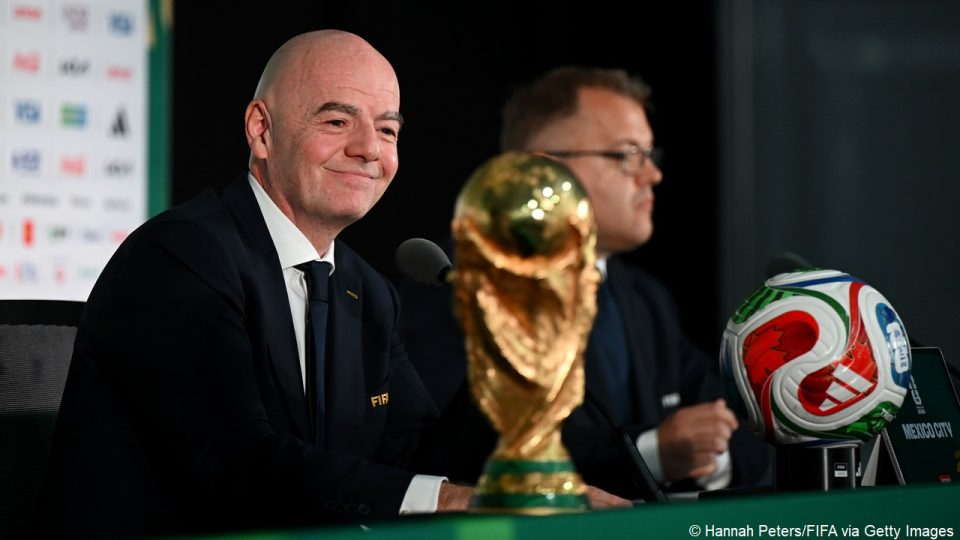
This revelation comes at a particular time. For several weeks, criticism has been mounting over the ticket prices for the 2026 World Cup. Many fans, especially those from Africa, Asia, and Latin America, feel that the prices for certain matches are excessive. The costs of travel, accommodation, and administrative formalities also add to the burden for passionate supporters wanting to cheer for their national teams on-site.
In light of this criticism, the salary of the FIFA president has become a recurring topic of discussion. Some observers question the gap between the earnings of global football leaders and the struggles many fans face to access the stadiums. Others remind us that Infantino’s salary is set by FIFA’s governing bodies and is linked to the organization’s economic performance.
Since taking the helm of FIFA in 2016, Gianni Infantino has overseen a significant transformation in global football. Under his leadership, the organization’s revenues have surged thanks to increased commercial contracts, broadcasting rights, and the creation of new international competitions. The expansion of the World Cup to 48 teams is also one of the major projects of his presidency.
FIFA expects record revenues from this 2026 edition, the first in history to feature so many participating nations. The organization believes that the increase in the number of matches, the expansion of the broadcasting market, and the growing interest from commercial partners will generate unprecedented income.
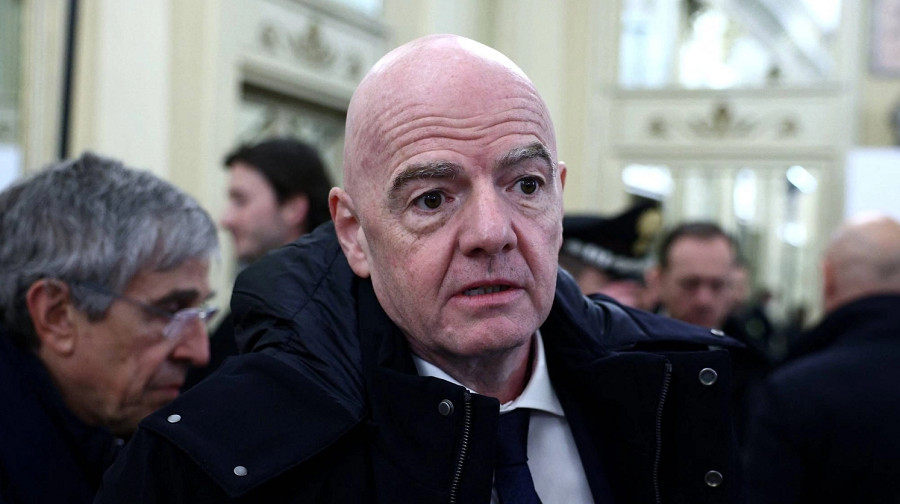
Despite these promising financial results, debates around governance and resource distribution continue. Between investments in global football development, support for federations, and expenses related to organizing competitions, FIFA remains under the critical eye of public opinion.
As the world focuses on the 2026 World Cup, Gianni Infantino’s salary once again highlights the discussions surrounding the balance between economic success, football accessibility, and fan expectations.


