

With just days to go before the start of the 2026 World Cup, the list of players forced to withdraw keeps growing, impacting several major teams. After the confirmed absences of Germany’s Lennart Karl and Argentina’s Leonardo Balerdi, Brazil now faces a significant blow in their preparations.
The Brazilian squad will have to cope without Wesley, the 22-year-old right-back who has eight caps with the Seleção. The AS Roma player suffered an injury during a friendly match against Egypt, which Brazil won 2-1. This preparation test was supposed to help the coaching staff make final adjustments before the global showdown, but it ended with bad news on the medical front.
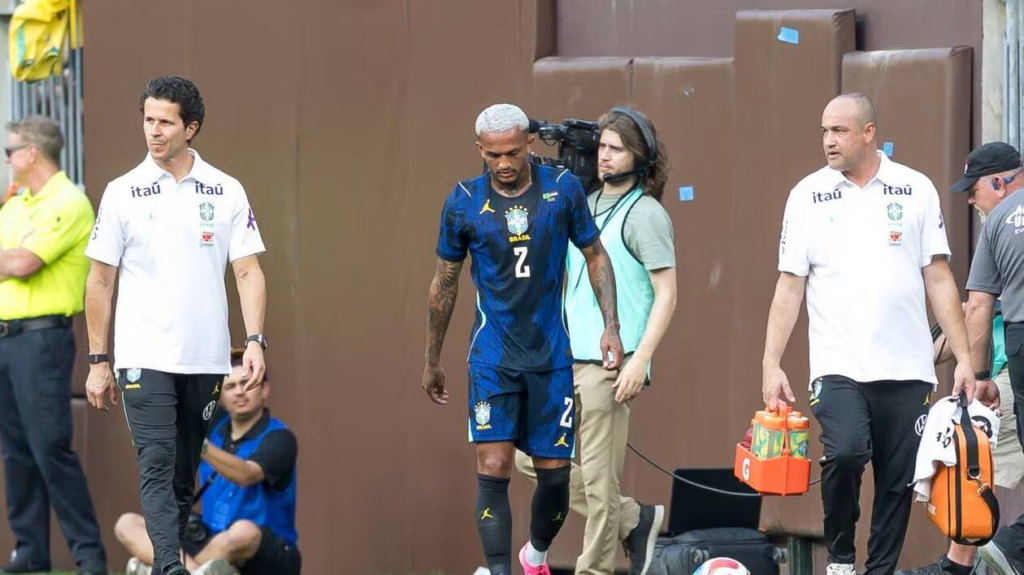
Wesley left the pitch early after feeling discomfort, and the medical staff quickly attended to him. Tests conducted in the hours following the match confirmed initial fears. The diagnosis revealed a muscle injury in his left thigh adductor. This injury, due to its timing and severity, rules out any chance of him participating in the tournament.
This absence is a significant loss for the Brazilian coach, who relied on Wesley to fill the right side of the defense. His dynamic profile and ability to provide offensive solutions made him a key option in the defensive rotation. His consistency at both club and national levels had bolstered his chances of being a crucial part of Brazil’s setup for the competition.
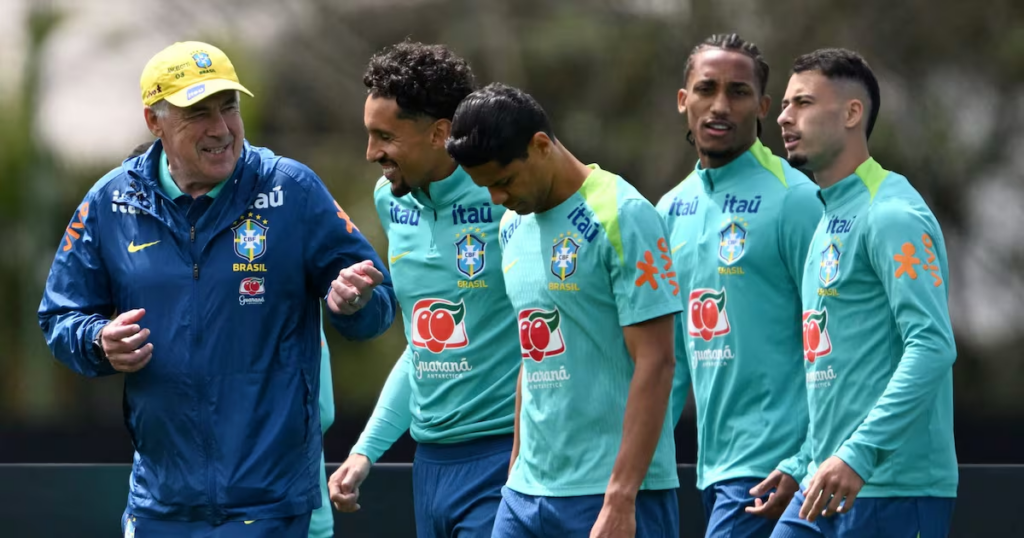
In light of this situation, the coaching staff had to react quickly to fill this gap in the squad. The coach decided to call up Ederson, a 26-year-old player from Atalanta Bergamo. Typically used in midfield, Ederson has three caps with the Brazilian national team. His inclusion in the squad is part of a strategy to rebalance the team just days before the tournament kicks off.
This choice may seem like a makeshift solution since Ederson does not play the same position as Wesley. However, his versatility and ability to adapt to different tactical roles influenced the staff’s decision. The coach hopes to maintain the coherence of his collective organization despite this last-minute absence.
In a context where preparations are already heavily constrained by physical demands and a tight schedule, this new withdrawal highlights the fragility of squads as a major international competition approaches. Brazil must now adjust its plans and finalize tactical choices without one of its expected defensive players, while quickly integrating his replacement to preserve group stability before their World Cup debut.


