

In their opening match at the 2026 World Cup, South Africa was defeated by Mexico with a score of 2-0, a game that quickly sparked reactions within the team and among its observers.
Beyond the sporting result, attention also turned to the digital environment surrounding this match. On social media, several viral posts highlighted a support base largely leaning towards the Mexican team. Some widely shared visuals symbolically linked the African continent to the Mexican flag, excluding South Africa, which was portrayed in these posts as isolated in this particular context. This phenomenon fueled numerous comments and debates about the dynamics of support among African nations during international competitions.
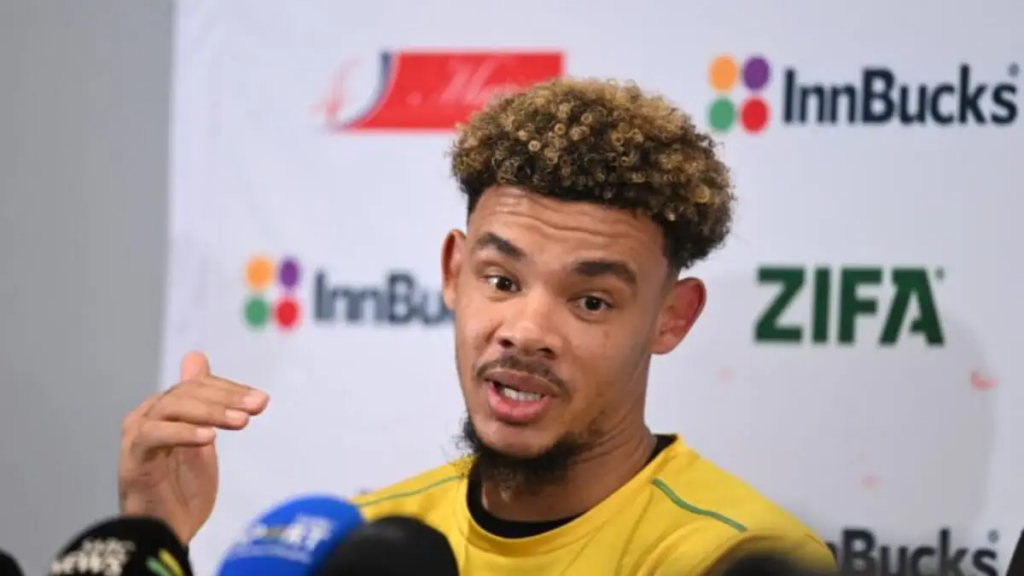
After the match, South African goalkeeper Ronwen Williams expressed deep disappointment, mentioning both the defeat and a sense of lack of solidarity. He emphasized the importance of African unity in major international competitions and made a widely quoted statement:
“Africans have always supported other African countries in every World Cup tournament, but I don’t understand why our case is different. Many Africans supported Mexico, not us, South Africans.
We almost shed tears, but it’s really sad. As Africans, let’s support each other, let’s unite.”
In the aftermath of the match, various commentators recalled some contextual elements. Before the tournament, internal tensions had been mentioned in South Africa following administrative and security measures affecting foreign nationals in the country. These decisions reportedly led to organized departures or returns to several countries of origin, sparking diplomatic and media reactions in different regions of the continent. Among the countries mentioned in these discussions were Ghana and Nigeria, according to several sources at the time.
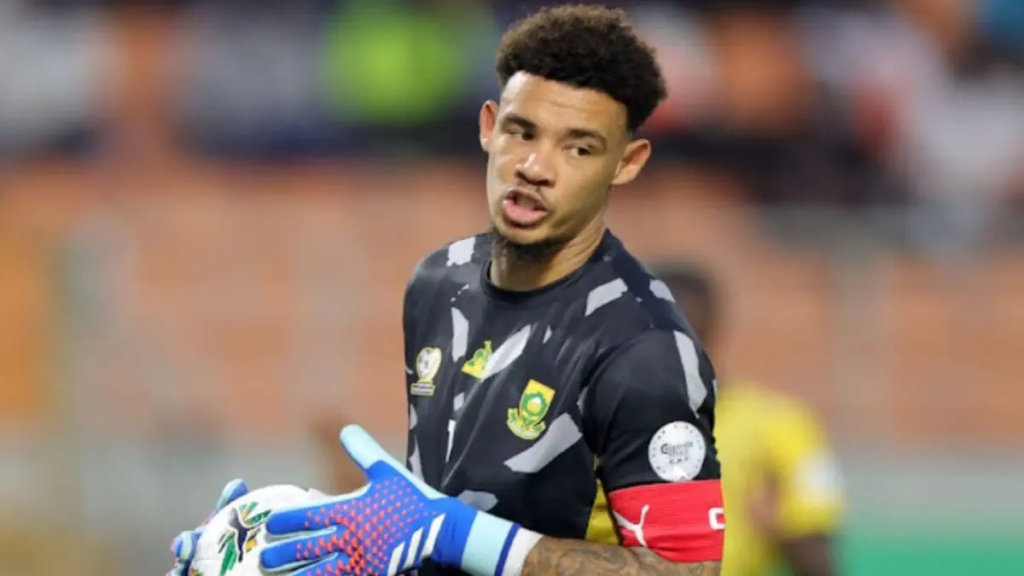
In this context, some online analyses suggest that these episodes may have influenced certain support attitudes observed during the World Cup. However, these interpretations remain speculative and lack any official confirmation. Other observers call for a more cautious reading, arguing that it’s important to distinguish internal political or social tensions from supporter behavior in a global sporting event.
This sequence highlights the complexity of the relationships between sport, public opinion, and social media, where perceptions can quickly morph into collective narratives. It also underscores the recurring debates around continental solidarity during international competitions, a sensitive topic that regularly sparks divergent views depending on the sporting, political, and media contexts.


