

How the 2026 World Cup in Canada Creates New Opportunities for Senegalese and African Football
The 2026 World Cup is more than just a sporting event for Senegal and the entire African continent. As the best teams in the world gather in North America, this competition will provide exceptional exposure for African nations. Each match will be watched by millions, but the stakes go far beyond the pitch. International visibility, economic development, sporting appeal, and talent recognition will be at the heart of this event. For Senegal, which has established itself as a reference point in African football in recent years, this World Cup could mark a new chapter in its rise and strengthen its influence on the global stage.
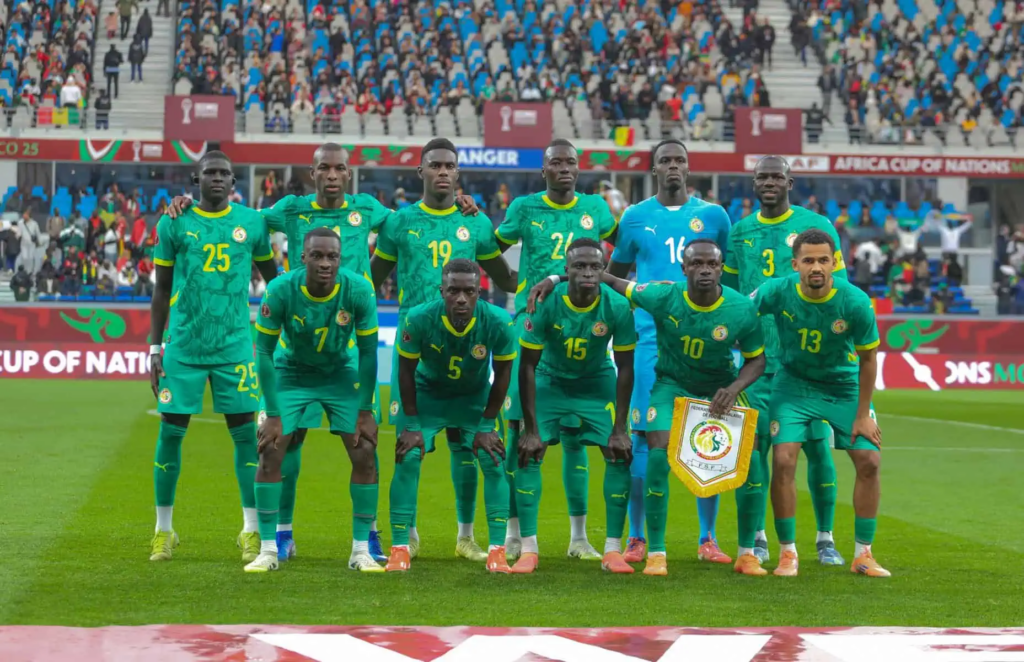
When the Lions step onto North American pitches, they will carry the ambitions of a football-loving nation and a continent seeking greater recognition.
For months, fans have been closely following the teams’ preparations, analyzing their strengths, and imagining possible scenarios. However, the impact of a World Cup goes beyond just the sporting results. This event often acts as a catalyst for fame and development. Performances on the biggest stage in world football can permanently change a nation’s image and open new opportunities for its players, clubs, and institutions.
The expansion of the tournament to forty-eight teams is a major evolution for African football. Thanks to this reform, the continent will have ten representatives, a presence never before seen in the history of the competition. For a long time, many African federations felt that the number of spots allocated to Africa did not reflect its population, passion for football, or the wealth of its talent. This new format offers a unique chance to showcase the progress made by African teams. Each match will demonstrate that football on the continent continues to grow and is now capable of competing with the best nations in the world.
This increased visibility will also benefit the entire ecosystem of African football. Behind the performances of national teams are academies, training centers, coaches, fitness trainers, and leaders who work daily to nurture new talent. Senegal perfectly illustrates this dynamic. The successes achieved in recent years are the result of long-term efforts focused on training and the gradual professionalization of sports structures. The 2026 World Cup will shine a light on this development model and enhance the credibility of Senegalese football among international observers.
For Senegalese players, the competition also represents a fantastic individual opportunity. A World Cup is the most-watched event in world football, where recruiters, club executives, and agents scrutinize every performance closely. Some internationals will already be playing in the top European leagues, while others will be looking to take their careers to the next level. A standout performance against a major nation, a decisive goal, or a series of successful matches can be enough to attract the interest of prestigious clubs. The history of football is full of examples of players whose careers changed after shining at a World Cup.
The benefits generated by this exposure are not just for the players. When a significant transfer occurs, training clubs often receive financial compensation through solidarity mechanisms established by international bodies. These revenues allow for investment in infrastructure, coach training, and talent scouting. Thus, the individual success of certain internationals can positively impact the entire Senegalese football scene. The World Cup becomes a true development lever, capable of producing lasting effects long after the competition ends.
Beyond the pitch, the tournament will also provide a unique setting for creating new international partnerships. For several weeks, federations, investors, businesses, media, and sports officials from around the world will gather in an environment ripe for exchange. These meetings often lead to concrete collaborations in areas like training, infrastructure development, and support for young players. For Senegal, this aspect is particularly crucial. National football stakeholders will have the chance to strengthen their networks, share experiences, and access new cooperation opportunities with foreign sports organizations.
Knowledge sharing has become an essential element of sports performance. Advances in physical preparation, data analysis, sports medicine, and management of training centers are now circulating globally. The World Cup facilitates these exchanges and promotes the spread of best practices. For African federations, this is a valuable opportunity to accelerate their modernization and enhance their skills. This momentum could further boost the competitiveness of African football in the years to come.
🚨🚨 FIFA WANTS TO CHANGE A RULE ON PENALTIES BEFORE THE START OF THE WORLD CUP ROUND OF 16! 😳
They want a single draw to be made before the shootout:
👉 The winner chooses either to shoot first or which goal to shoot at
👉 The… pic.twitter.com/y82bx2MhaS
— Actu Foot (@ActuFoot_) June 23, 2026
Canada will also play a special role in this 2026 edition. While the United States will host most of the matches, Canada has a strong presence of African communities, particularly Senegalese, Ivorian, Moroccan, Ghanaian, and Congolese. These diasporas maintain close ties with their home countries and are expected to provide significant support to the continent’s teams. African teams will thus compete in a favorable atmosphere, buoyed by supporters who often share their language, culture, or history. This human connection could be a considerable advantage during matches held in Canada.
Beyond the atmosphere in the stadiums, these communities also serve as a bridge between Africa and North America. Associations, entrepreneurs, professional networks, and cultural organizations are already working to strengthen ties between the two continents. The World Cup could enhance this dynamic by fostering the creation of new projects in sports, education, training, and investment. For Senegal, this added visibility is an opportunity to promote its sporting expertise and boost its international appeal.
The 2026 World Cup has the potential to leave a lasting legacy for Senegalese and African football. Of course, sporting results will remain important, and the performances of the Lions will be closely watched. However, the true impact may be measured over the long term through the partnerships formed, investments secured, careers launched, and projects developed thanks to this global exposure. For Senegal, the goal will be to transform this unique opportunity into a growth engine and continue its evolution among the great football nations of Africa.
More than just a competition, the 2026 World Cup can become a true catalyst for development. By highlighting the continent’s talents, strengthening international exchanges, and attracting new resources to African football, it paves the way for a new generation of opportunities. For Senegal and all of Africa, the challenge now is to turn this global showcase into a starting point for an even more ambitious future.


