

In an interview with the daily L’Observateur, former Senegal national team coach Alain Giresse spoke about the progress of African teams in the World Cup. According to him, nations on the continent are gradually reaching an important milestone and now have the means to compete with the best teams in the world.
Senegal’s journey in the World Cup illustrates this evolution. During its first participation in 2002, the Senegalese team surprised everyone by reaching the quarter-finals, a historic achievement for an African team. In 2018, the Lions were eliminated in the group stage, despite having the same points as Japan, a frustrating situation given their performance. Four years later, in 2022, Senegal made it past the round of 16 before falling to England, confirming a certain consistency at a high level, though they did not surpass their initial record.
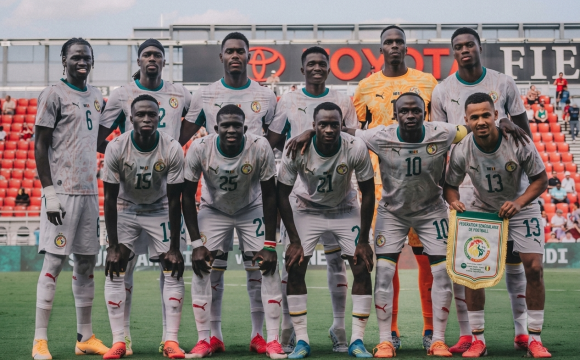
As the next World Cup approaches, the ambition is clear: to do better than previous campaigns and write a new chapter in Senegalese football history. In this context, Alain Giresse is optimistic about the potential of African teams.
He states:
“I think that from one World Cup to another, Africa is advancing and progressing. As you mentioned, it was Morocco that reached the semi-finals in the last edition in Qatar. With ten countries qualified, there’s a chance to take even more nations to the semi-finals, but we need to take it step by step. I believe that one day, an African country will play in the final. If we talk about Senegal, they have the potential to reach at least the semi-finals. After that, we know there can be game-changing moments, unexpected situations during matches, but intrinsically, the potential is there. We see that African teams are increasingly showing a level that is getting closer to the top and the best places in the world. Beyond Senegal, Morocco, Algeria, South Africa, and the Democratic Republic of Congo can achieve great results. In any case, if these countries are there, it’s because they are among the best nations in Africa,” he believes.
This analysis highlights a global dynamic in African football, marked by continuous improvement in performance, better organization of teams, and a more regular presence in the final stages of major competitions.
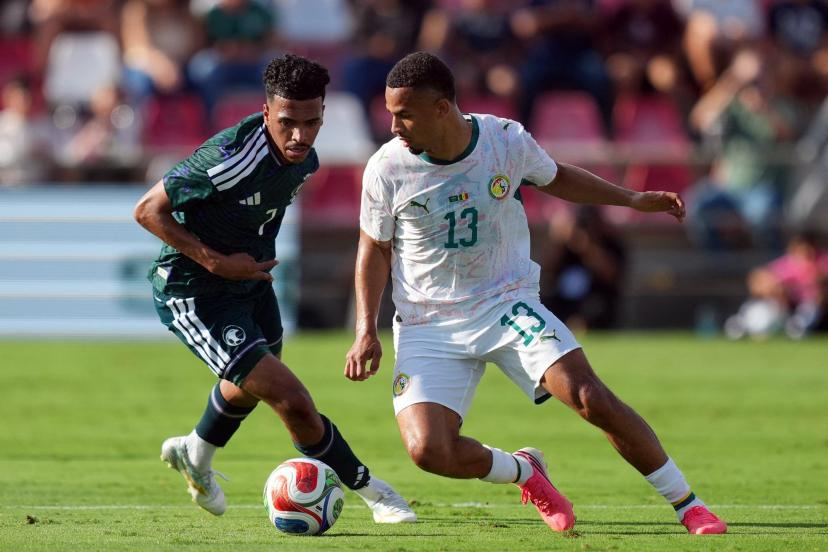
Countries like Morocco, Algeria, South Africa, and the Democratic Republic of Congo are also mentioned as nations capable of causing surprises and establishing themselves in the global elite.
In conclusion, Alain Giresse’s comments highlight an underlying trend: the gap between African teams and the major powers of world football is narrowing. Senegal, bolstered by its recent experience and the quality of its squad, stands out as a serious contender for a historic run in the upcoming World Cups, even if the unpredictability of competitions remains a key factor in ultimate success.


