

The dismissal of Pape Thiaw from the head of the Senegal national team marks a major turning point for the Lions. However, this decision should not overshadow an essential reality: the difficulties faced by the national team cannot be attributed to one man alone. By ending the coach’s and his staff’s roles, the Senegalese Football Federation (FSF) seems to want to provide a quick response to a crisis with multiple causes. Such a decision may appear to be an immediate solution, but it does not necessarily address the real issues that led to Senegal’s elimination from the FIFA World Cup 2026.
A serious analysis of the Lions’ journey should go beyond the simple sporting record of the coach. A credible evaluation must consider the entire environment in which the team has operated. For several months, various difficulties have been raised around the national team. Critics have particularly pointed to the preparation for the competition, deemed insufficient by several observers. Added to this were delays in bonus payments, unresolved contractual issues, logistical problems, and an internal climate described as tense. These factors have inevitably influenced the team’s performances and deserve to be examined with the same rigor as the coach’s tactical choices.
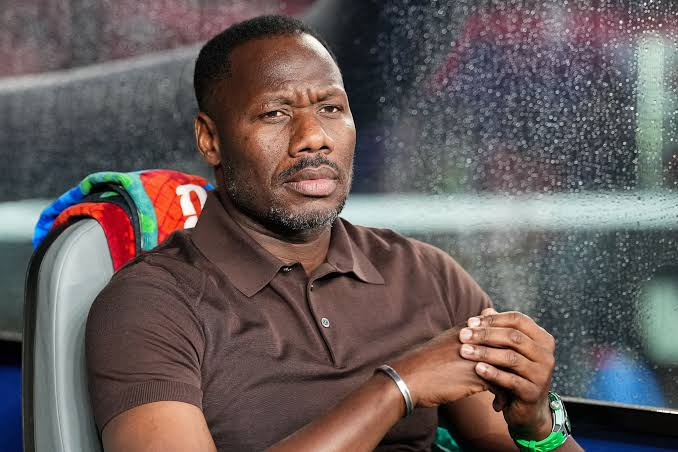
In this context, it seems unfair to place all the blame solely on Pape Thiaw. High-level football relies on collective organization where every player has a crucial role. Federal leaders, administrative officials, various technical departments, and supervisory authorities all contribute, to varying degrees, to the functioning of the national team. When multiple dysfunctions are observed simultaneously, it becomes legitimate to question the responsibility of the entire decision-making chain rather than focusing all criticism on the bench.
This reflection is even more important because, just a few months earlier, the team’s successes were celebrated collectively. After the continental title, congratulations were directed at the coach, the leaders, the players, and everyone involved in the sporting project. It would be inconsistent for only the coach to bear the heaviest consequences in defeat. Football operates on a collective logic: when results are positive, the merits are shared; when objectives are not met, the responsibilities should be shared too.
Looking for a single culprit may give the impression of acting quickly, but this approach risks masking the real challenges facing Senegalese football. A comprehensive reassessment is now essential. The Federation’s leaders would benefit from presenting their own record and explaining the decisions made before and during the competition. Meanwhile, the supervisory authority should also look into the governance of national football to identify any structural weaknesses and propose sustainable solutions.
The FSF’s strategy:
→ Dismiss Pape Thiaw
→ Appoint a “big name”
→ Roll out their narrative on the debacleNo one is fooled. They must go.
Subscribe to @ocgfoot for more#OCG #FSF #PapeThiaw #LionsDeLaTeranga #CDM2026
Let me know if you want… pic.twitter.com/fdsif4wfOs
— OCG Foot (@ocgfoot) July 12, 2026
Pape Thiaw naturally bears some responsibility for the results recorded by the Lions, like any coach facing a sporting failure. However, it would be reductive and unfair to make him the sole culprit of the current situation. If Senegal wants to quickly return to the heights of African and world football, it must accept a thorough diagnosis, without complacency and without designating a simple scapegoat. By correcting dysfunctions at all levels, whether sporting, administrative, or organizational, Senegalese football can rebuild on solid foundations and prepare for the future with greater peace of mind.


