

The recent decision by FIFA’s Disciplinary Committee to lift Balogun’s suspension has sparked intense controversy in international football circles. Some observers see this reversal as a strict application of existing regulations, while others view it as a decision with broader implications beyond the disciplinary framework. Many analysts believe this case could set an important precedent for handling appeals related to individual sanctions. The debate has intensified around the circumstances that led to this revision and the legal interpretation adopted by the competent authority.
At the heart of the criticism is the very composition of the disciplinary body. The presence of Moez El Nasri on the panel raises questions about the neutrality of the decisions made. Some observers wonder about the compatibility between his institutional roles and the handling of sensitive cases at the international level. This situation reignites a recurring debate about the governance of FIFA’s disciplinary bodies, particularly regarding their ability to ensure total independence of their members in cases with significant sporting and political implications.
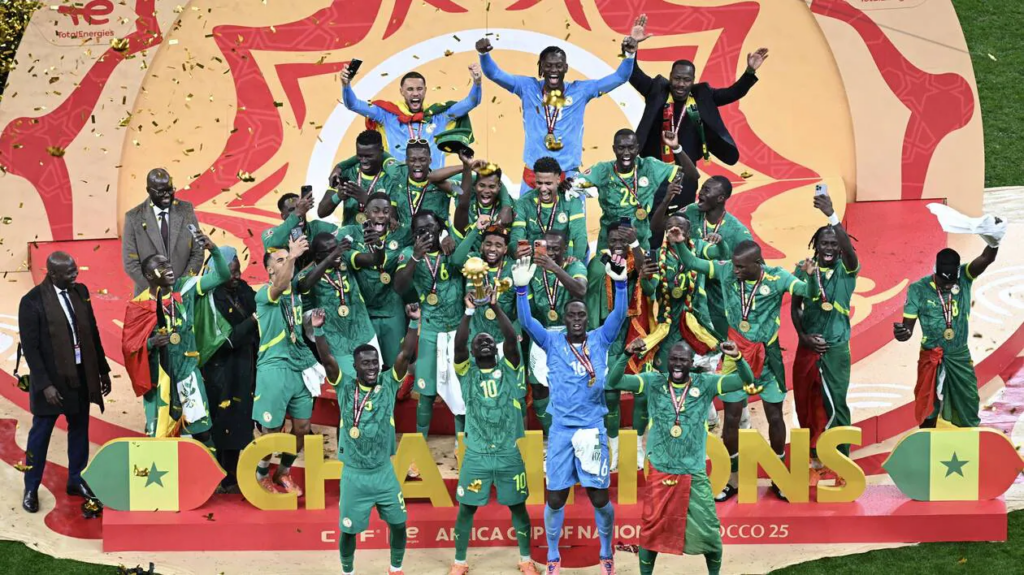
This case is part of a larger context marked by ongoing tensions in African football. Moez El Nasri’s name is frequently linked to episodes of dissent surrounding major decisions, especially during the controversies related to CAN 2025. The issue of title withdrawal mentioned in discussions remains particularly sensitive and continues to fuel divergent interpretations among the parties involved. In this climate, disciplinary decisions are often scrutinized beyond their strictly regulatory dimension.
Beyond the individuals involved, this case raises structural questions about the functioning of international football bodies. The issue of transparency in procedures and the prevention of conflicts of interest is central to the criticisms made. Several sports law experts believe it is necessary to strengthen control mechanisms to preserve the credibility of the decisions made. The legitimacy of disciplinary bodies largely depends on their ability to ensure impartiality that is perceived as unquestionable by all actors in global football.
‼️ Moez El Nasri is part of FIFA’s Disciplinary Committee, the body that applies Article 27 of the Disciplinary Code in the case that allowed the lifting of Folarin Balogun’s sanction.
Previously, he had already sparked significant controversy in… pic.twitter.com/si1hlPdzwF
— Momar Assane (@Noo_IDcard) July 6, 2026
Belgium has already filed an appeal in this case, contesting the legal effects of the decision made. This move opens a new contentious phase that could prolong tensions surrounding this matter. In several circles of African and international football, this case is being closely monitored, as it goes beyond the simple framework of a sports dispute. It highlights broader issues related to the governance of global football and the balance between national federations, disciplinary bodies, and institutional actors in the sport.


