

The Court of Arbitration for Sport (CAS) has decided to delay the publication of its final decision regarding the dispute over the Africa Cup of Nations final between Morocco and Senegal. Initially expected sooner, this decision will now only be issued after the 2026 World Cup, with a deadline set for after July 19.
This announcement comes as both federations involved were hoping for a quick clarification on the matter. The dispute, which revolves around contested elements that occurred during the decisive match of the continental competition, continues to spark numerous reactions within African sports bodies. The CAS, responsible for resolving international sports disputes, deemed it necessary to extend the examination of the case to ensure a thorough analysis of the arguments presented by both parties.
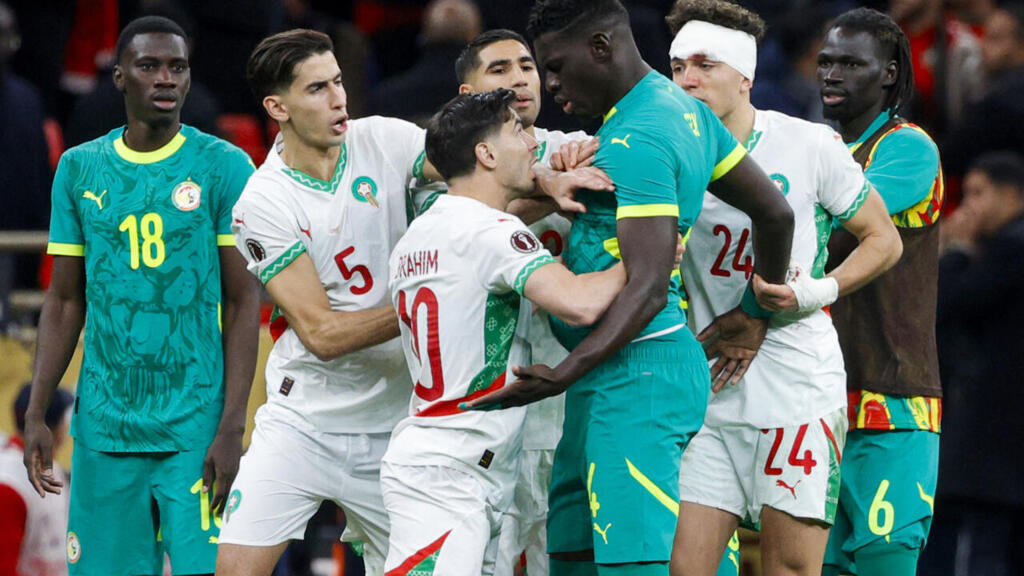
The postponement means that teams and fans will have to wait several more months to know the final outcome of this case. This situation extends a period of uncertainty around the final result of the competition, even as preparations for upcoming international events, particularly the 2026 World Cup, are already taking center stage in national teams’ news.
According to available information, no major new hearing is scheduled before the summer period following the World Cup. The schedule set by the court plans to resume the study of the case after July 19, from which point a decision can be formally rendered. This timeline aims to avoid any interference with ongoing international competitions while allowing judges the necessary time to rule on sometimes complex issues.
In this type of procedure, the CAS acts as an independent arbitration body, tasked with ensuring fairness and regularity in international sports competitions. Decisions made in this context are generally final and binding on the parties involved. The Morocco-Senegal case thus represents a significant issue, both in sporting and institutional terms.
While awaiting the final verdict, both sides remain in a waiting posture, with no official communication suggesting the direction of the decision. Observers of African football are closely monitoring the evolution of the case, which could have implications for the rankings and history of the competition involved.
🚨URGENT!
The CAS has postponed its final decision on the CAN final dispute between Morocco and Senegal until after the 2026 World Cup, with a verdict expected after July 19.
Source: @barlamanefr pic.twitter.com/WL8vvb34DM
— KoraMaroc (@AtKoraMaroc) June 4, 2026
This matter continues to be closely followed by African and international football bodies, as it could influence certain regulatory interpretations related to future continental competitions. The two federations involved remain cautious and avoid any statements that could interfere with the ongoing procedure. Meanwhile, fans and observers hope for a definitive clarification, allowing everyone to turn the page and fully focus on the upcoming sporting challenges. The CAS, as an independent body, continues its analytical work based on the elements provided by the parties, ensuring a decision grounded in applicable sports law. The final verdict is thus awaited with great international media attention.


