

The final of the 2025 AFCON continues to spark intense discussions. On the show “Let’s Talk Truth: Who Wants to Kill AFCON?”, aired on AFO Média’s YouTube channel, Patrick Mboma, former striker for Cameroon’s Indomitable Lions, reflects on the key moments of this gripping match between Senegal and Morocco.
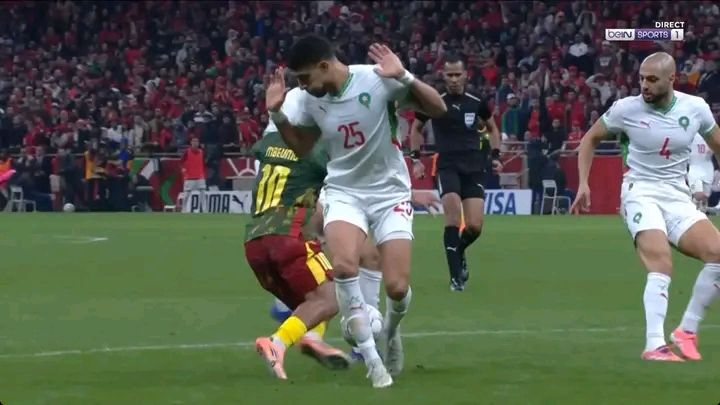
The ex-Paris Saint-Germain player first addressed the controversial penalty awarded to Morocco just minutes before the end of regular time. He believes this decision was justified. He argues that a foul was indeed committed on Brahim Diaz in the Senegalese box. “Brahim plays the game well. He knows he’s not a dominant player in aerial duels and in the box. As soon as he feels any contact, even slight, he takes advantage to exaggerate the foul. But just because he amplifies the gesture doesn’t mean there wasn’t a foul,” he explained. Patrick Mboma insists that despite the sometimes theatrical behavior of the Moroccan player, the penalty is legitimate. For him, there was clearly a foul that led to the action.
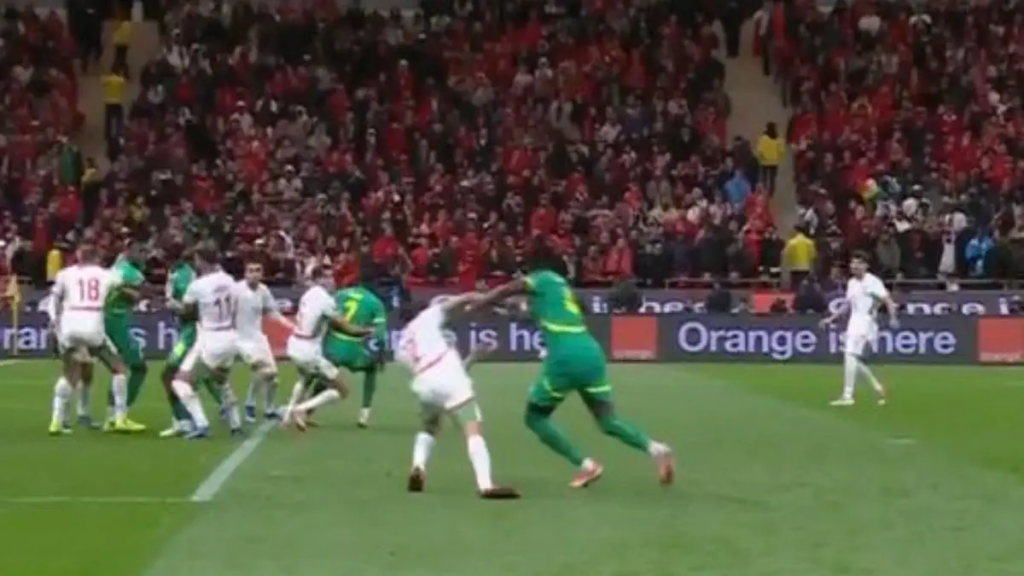
However, Mboma’s analysis takes a more nuanced turn when he discusses the other key situation in the match: the disallowed goal for Senegal. He believes the referee should have validated the goal scored by Senegal earlier in the game, as he considers the alleged foul by Abdoulaye Seck on Achraf Hakimi was unfounded. He feels there was no infraction and that the referee should have allowed the play to continue. “As soon as the referee blows the whistle for a foul, no matter what happens behind, the action is stopped. That’s the rule,” he emphasized. For Mboma, such refereeing errors are regrettable because they can change the course of such an important final.
The former Cameroonian striker, while acknowledging the overall quality of the refereeing throughout the match, did not hesitate to point out the margins of interpretation that exist in such situations. For him, every decision made by the referee has a major impact on the final outcome, and these mistakes can sometimes create injustices in a match as tense as this one.
In summary, Patrick Mboma provides a thoughtful and balanced analysis of the final, considering the technical aspects of the actions while highlighting the importance of refereeing decisions in the flow of the match.


