

The elimination of Senegal from the 2026 World Cup continues to spark reactions in the country. Beyond the sporting disappointment, attention is now turning to the management of the Senegalese Football Federation (FSF). The Sports and Youth Commission of the National Assembly has announced its intention to launch a parliamentary audit mission to examine the conditions surrounding the preparation and participation of the “Lions” in this competition.
This initiative comes after several criticisms regarding Senegal’s World Cup campaign. Questions focus on the overall organization, administrative choices, team preparation, resource management, and the internal functioning of the federation. For the parliamentarians behind this move, it’s not just about analyzing the sporting result but understanding the various factors that contributed to this underperformance.
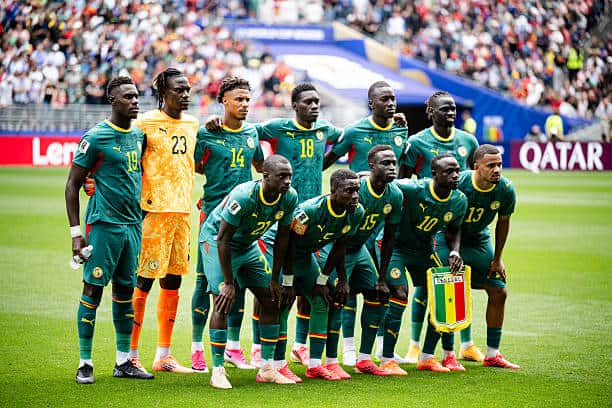
The president of the Sports and Youth Commission, El Hadji Gueye, confirmed the deputies’ desire to initiate this procedure. An information letter has already been sent to the president of the National Assembly, Ousmane Sonko, to start the necessary steps. The stated goal is to set up an audit mission, distinct from an inquiry commission, which is considered to take longer.
“We plan to initiate an audit mission that is different from an inquiry mission. The inquiry takes a lot of time and we are preparing to play the qualifiers for the upcoming AFCON. The goal of this mission is to question the causes of this underperformance of the national team during the 2026 World Cup,” explained El Hadji Gueye.
The proposed mission could allow the deputies to hear from several stakeholders involved in the management of the national team. FSF officials, technical staff members, administrative leaders, and other participants could be called upon to provide explanations about the World Cup campaign.
The investigations could also cover financial and organizational aspects. The parliamentarians want clarifications on the use of mobilized resources, the logistics set up around the Senegalese delegation, and the decisions made before and during the competition. The aim would be to identify any shortcomings and suggest areas for improvement.
“In the information letter, there is the intention for an audit mission with the members of the Senegalese Football Federation. The goal is to truly understand what happened and also to make recommendations,” added El Hadji Gueye.
However, this approach must respect the principle of autonomy of sports federations. The FSF, affiliated with international football bodies, operates within an associative framework that protects its independence from public authorities. Therefore, the authorities must ensure that this initiative complies with the current rules of sports governance.
2026 World Cup: The National Assembly officially takes action against the FSF (read in comments) pic.twitter.com/Ms3lAE95Kn
— SeneNews (@Senenews) July 7, 2026
For the deputies in favor of this audit, national football represents a collective issue that requires more transparency. They believe that supporters and Senegalese citizens have the right to understand the reasons behind an elimination that raised many questions.
For several years, the Senegalese Football Federation enjoyed an image of institutional stability. But the criticisms that emerged after the 2026 World Cup have reignited the debate over its governance. This audit mission could mark a new step in the effort to enhance transparency and effectiveness in the management of Senegalese football.


