

Senegal’s journey in the 2026 World Cup leaves mixed feelings. The Lions of Teranga showed they still have the talent to compete with the best nations, but they also paid dearly for their mistakes in crucial moments.
Eliminated in the round of 16 by Belgium (3-2), Pape Thiaw’s men leave North America with some certainties, but also many areas for improvement ahead of the 2027 AFCON and the qualifiers for the 2030 World Cup. Here are five key lessons to take away.
1. Ismaïla Sarr has become the new offensive leader
If there’s one big winner from this World Cup for Senegal, it’s undoubtedly Ismaïla Sarr. The Crystal Palace winger had the best tournament of his career in the national jersey, scoring four goals and becoming the all-time top scorer for Senegal in World Cup history.
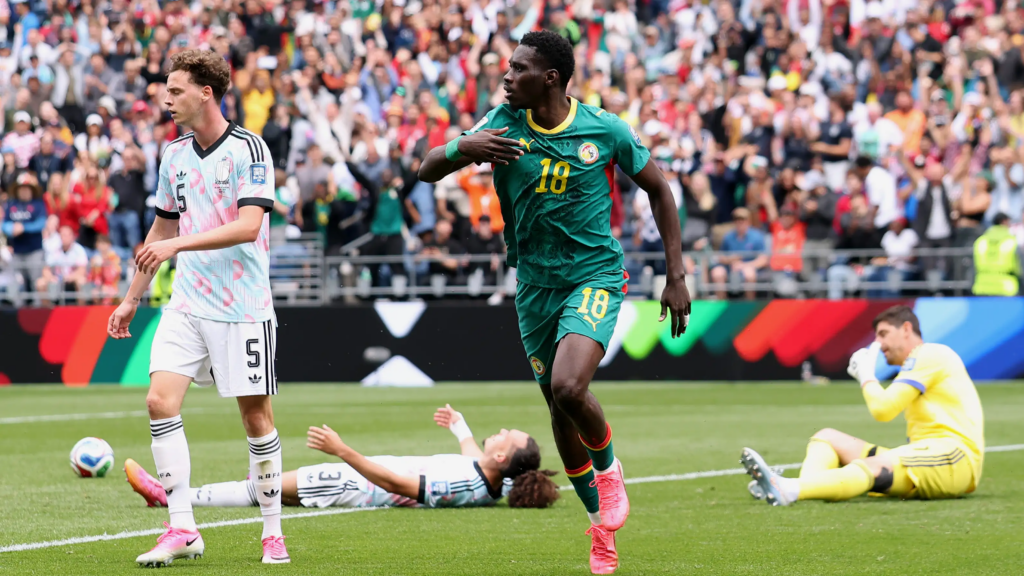
Beyond the stats, Sarr was consistently the player capable of turning a match with his speed, power, and effectiveness in the final third. Whether against Norway, Iraq, or Belgium, he was the main offensive threat for the Lions. At 28, he’s now the face of this team and will need to embrace this leadership role in upcoming challenges.
2. Senegal can compete with the big nations but still lacks control
Against France, Norway, and Belgium, Senegal was never outplayed for 90 minutes. The Lions created numerous chances and often troubled their opponents with their physicality and quality in transition.
However, the difference came in managing the tough moments. Defensive errors, a lack of realism, and lapses in concentration proved costly. Against Belgium, for instance, the Senegalese led before conceding in the dying moments. This World Cup confirms that Senegal has the level to challenge the best teams, but they need to step up their game management in big matches.
3. A new generation is ready to take over
Long dominated by Sadio Mané, Kalidou Koulibaly, and Idrissa Gana Gueye, the Senegalese team is witnessing a new wave of talent emerging.
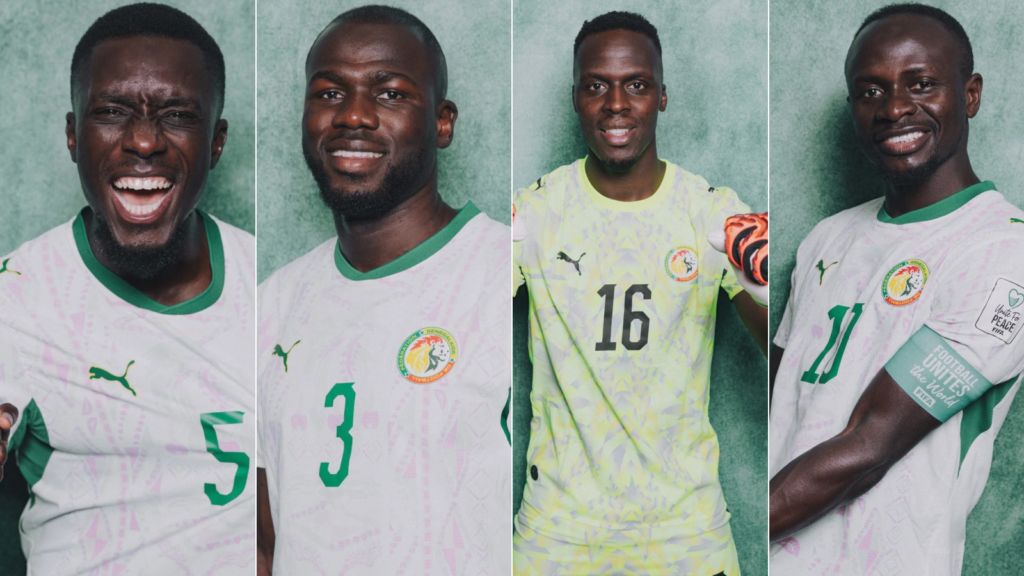
Habib Diarra confirmed his potential in midfield, while Pape Gueye and Iliman Ndiaye stepped up when called upon. In the big win against Iraq (5-0), the substitutes even turned the match around with impressive performances.
This depth of talent is great news for Pape Thiaw, who can gradually prepare for the transition without disrupting the team’s balance.
4. Defensive solidity is no longer what it used to be
For several seasons, Senegal built its success on an almost impenetrable defense. This World Cup showed a different reality.
The Lions conceded several goals against top-level opponents, notably against France, Norway, and Belgium. While individual qualities remain, the collective organization sometimes showed signs of fragility, especially in managing quick transitions and balls behind the defense.
Before the next international competitions, regaining that defensive rigor must be a priority for the coaching staff.
5. Pape Thiaw’s Tactical Choices Showed Their Limits
When Pape Thiaw took charge of the national team, he came with a reputation as a modern tactician. He managed to instill an attractive playing identity in the Lions. His team aimed to press high, win the ball back quickly, and exploit the speed of their attackers, especially Ismaïla Sarr and Sadio Mané. For much of the tournament, this approach paid off. Senegal particularly impressed during their commanding 5-0 victory over Iraq, showcasing offensive, intense, and vertical football.
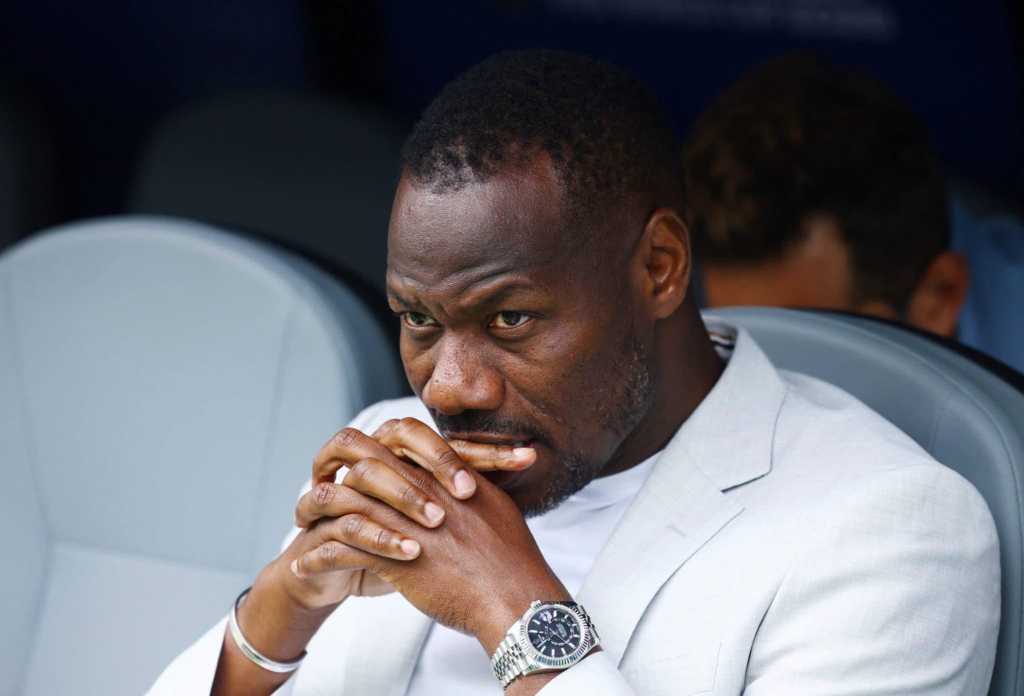
But the World Cup also highlighted the limits of this philosophy when the matches became tougher. Against France, the Lions displayed some beautiful sequences of play but failed to turn their dominance into results. Even more striking was the Round of 16 match against Belgium, which raised many questions.
With Senegal leading 2-0 until the 85th minute, Pape Thiaw opted to strengthen his defensive block to protect the lead. However, this change in approach handed the initiative back to the Belgians, who launched multiple attacks and completely turned the match around (3-2 after extra time). Several specialized media criticized the management of substitutions, the lack of freshness from some key players left on the field too long, and the absence of tactical response after Belgium’s first goal.
Beyond this match, the 2026 World Cup reminds us that at this level, tactical details often make the difference. Adapting the system during the match, managing weak moments, and making substitutions at the right time have become as important as the quality of the players. Despite some interesting ideas, Pape Thiaw didn’t always find the necessary adjustments when the scenario shifted. This is undoubtedly one of the biggest lessons the Senegalese staff must take into account to prepare for future international challenges.
The 2026 World Cup didn’t provide Senegal with the hoped-for journey, but it helped identify the foundations for the future. The emergence of Ismaïla Sarr as a new offensive leader, the arrival of an ambitious generation, and the Lions’ ability to compete with major nations are all reasons to be optimistic. By correcting their defensive shortcomings and improving their efficiency in crucial moments, the Lions of Teranga will have everything in place to aim even higher in the upcoming major competitions.


