

The Confederation of African Football (CAF) has officially approved the creation of a new continental competition called the CAF Nations League. This major announcement was made by the president of the organization, Patrice Motsepe, as part of a broad reform program aimed at modernizing and energizing African football. Through this initiative, CAF aims to enhance competitiveness among national teams on the continent while providing a more structured and attractive format for fans, broadcasters, and partners.
The future CAF Nations League will be based on a rethought geographical organization to optimize logistics and limit the long travels that often burden teams. The competition will be structured around four major regional zones: the North African Union (UNAF), the Central and Southern Africa zone, the East Africa zone, and the West Africa zone. This distribution will promote more regular matchups between neighboring nations while reducing travel and organization costs.
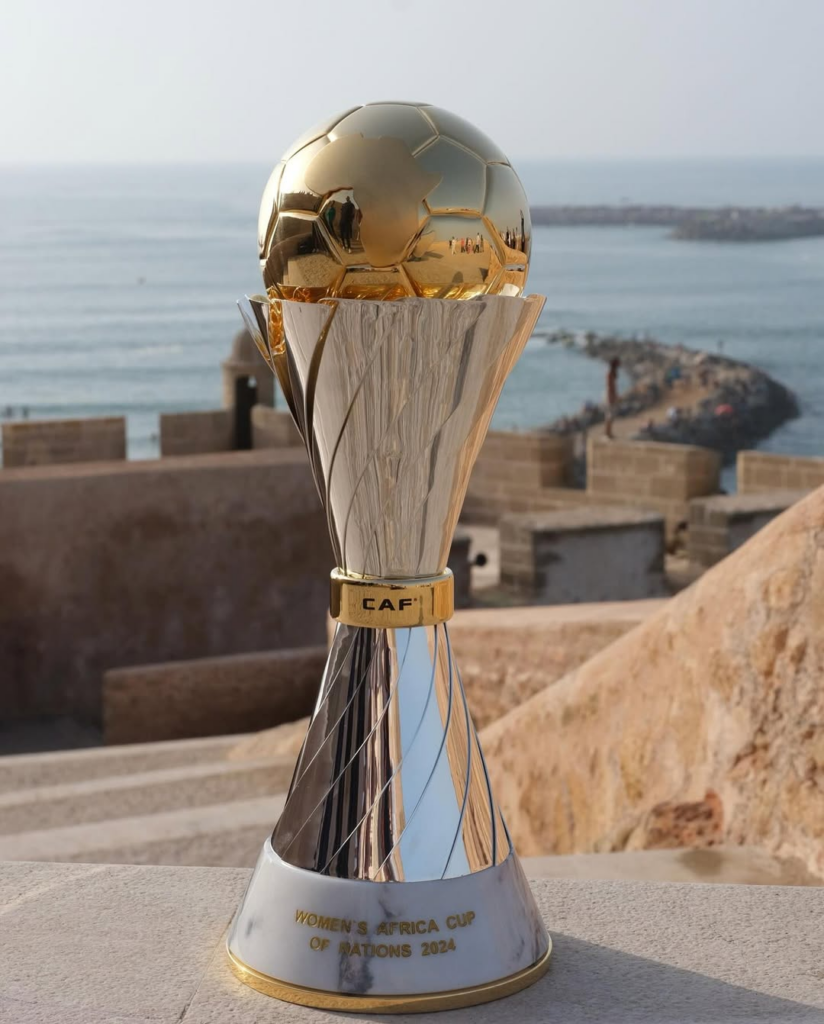
Each zone will organize its own competition phase, at the end of which the highest-ranked team will secure a spot in the semi-finals. The four regional winners will then meet in a continental “Final Four” to determine the champion of this new Nations League. This format promises to intensify regional rivalries, which are already deeply rooted in the history of African football, while offering a high-level spectacle during the final phase.
Beyond the purely sporting aspect, CAF sees this project as a strategic lever to increase the visibility of African football on the international stage. By establishing a regular competitive event, the governing body aims to provide more development opportunities for national teams, improve the quality of matches, and boost popular enthusiasm around continental competitions.
This new competition is part of a broader transformation dynamic led by the current CAF administration. It reflects a clear desire to adapt the structures of African football to modern demands, both organizationally and economically. While the precise details of the schedule and official launch are yet to be clarified, the announcement of the CAF Nations League already marks an important step in the evolution of the African football landscape.


