

The dispute between André Onana and the Cameroonian Football Federation (FECAFOOT), led by Samuel Eto’o, continues to make headlines in Cameroon. The goalkeeper, absent from the national team for several months, remains at the center of many questions about his future with the national squad.
In a recent live session on TikTok, André Onana made comments that reignited tensions. He stated that he has no issue with the federation itself, but rather with an individual he accuses of using FECAFOOT for personal gain. According to him, any opposition to this management could lead to immediate sidelining of the affected players.
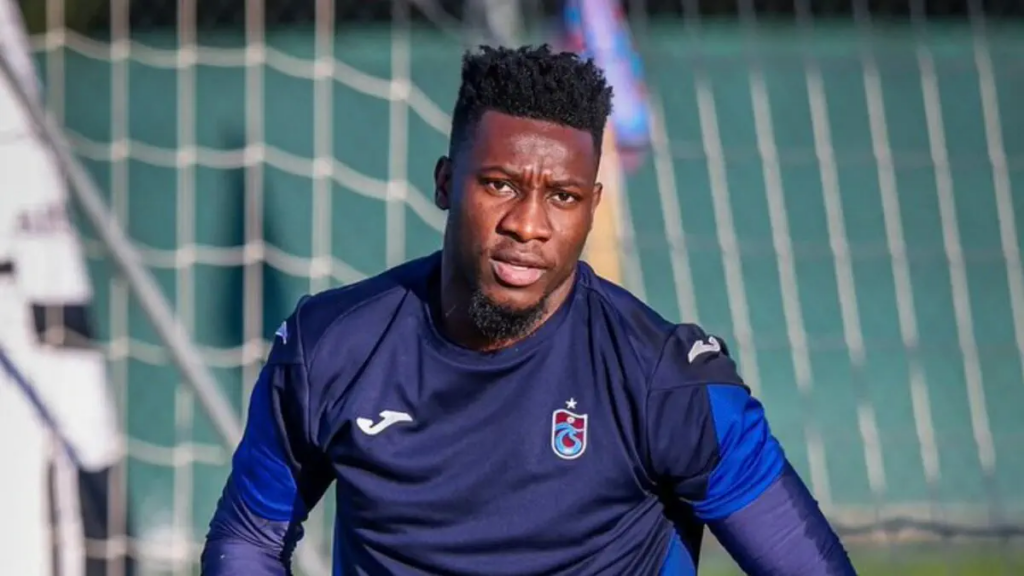
According to information reported by SNA, these statements have sparked numerous reactions in Cameroon, both in sports circles and on social media. The topic divides public opinion, with some supporting the player and others defending the federation’s governance. Debates have intensified around the management of relationships between certain internationals and FECAFOOT.
As per the same source, the Cameroonian Football Federation plans to address this situation at its upcoming general assembly. Several options are being considered internally, including potential disciplinary measures against the player. Some whispers suggest a possible suspension that could last a long time, but there is no official confirmation at this stage.
At this point, no official decision has been made public. The situation remains fluid and will depend on discussions among the various parties involved in managing Cameroonian football.
This issue fits into a broader context of recurring tensions between some players abroad and the governing bodies of national football. Disagreements typically revolve around communication, discipline, and organization within the team. In such situations, public statements can deepen divides and complicate mediation attempts.
As we await possible official decisions, this case is being closely monitored by observers of African football. The outcome could impact the future composition of the Cameroonian national team, depending on the choices made by the relevant officials. For now, no party has communicated any definitive measures.
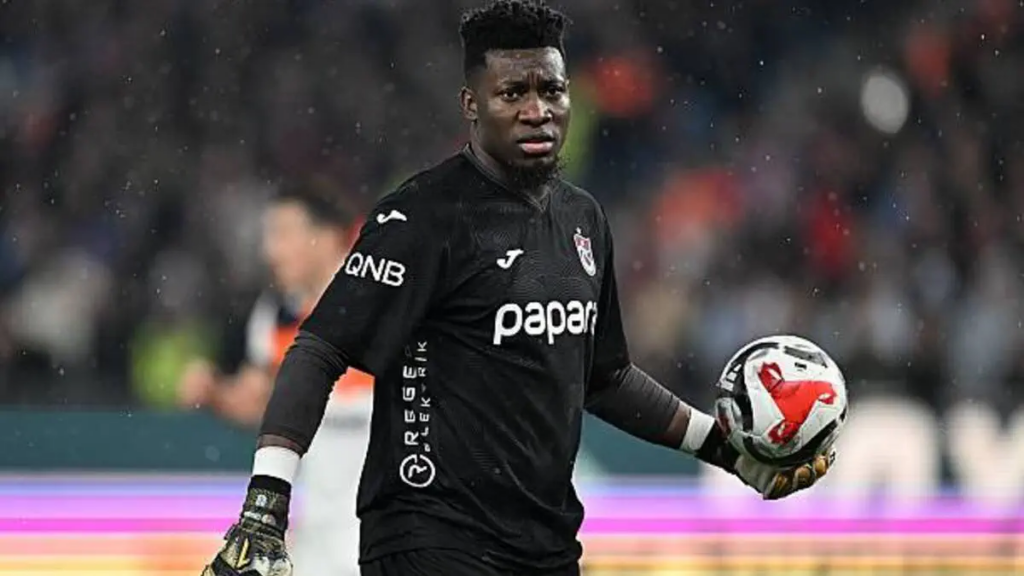
The coming weeks should shed more light on the directions that will be taken, especially following the planned meetings within the federation. The expected decisions could clarify the position of each player in this sensitive matter.
This media follow-up highlights the importance of institutional relationships in the stability of African national teams and the management of conflicts between players and public sports leaders.


