

The Confederation of African Football has officially launched the bidding process for hosting the Africa Cup of Nations in 2028, 2032, and 2036. This move marks a new step in the long-term planning of the continent’s flagship competition. The 54 member federations are now invited to submit their bids, in a framework that aims to be more structured and proactive than previous cycles, which were often marked by last-minute decisions and adjustments. The governing body of African football seeks to better regulate the selection of host countries and secure the organization of upcoming editions.
In this new approach, CAF emphasizes a process that is presented as more rigorous and transparent. The specifications have been developed with the support of PwC and several independent experts specializing in technical, legal, and financial areas. The stated goal is to align with international standards for awarding major sporting competitions. This evolution comes in a context where the choices of organizers have regularly sparked criticism, fueling debates about the clarity and fairness of procedures within African football.
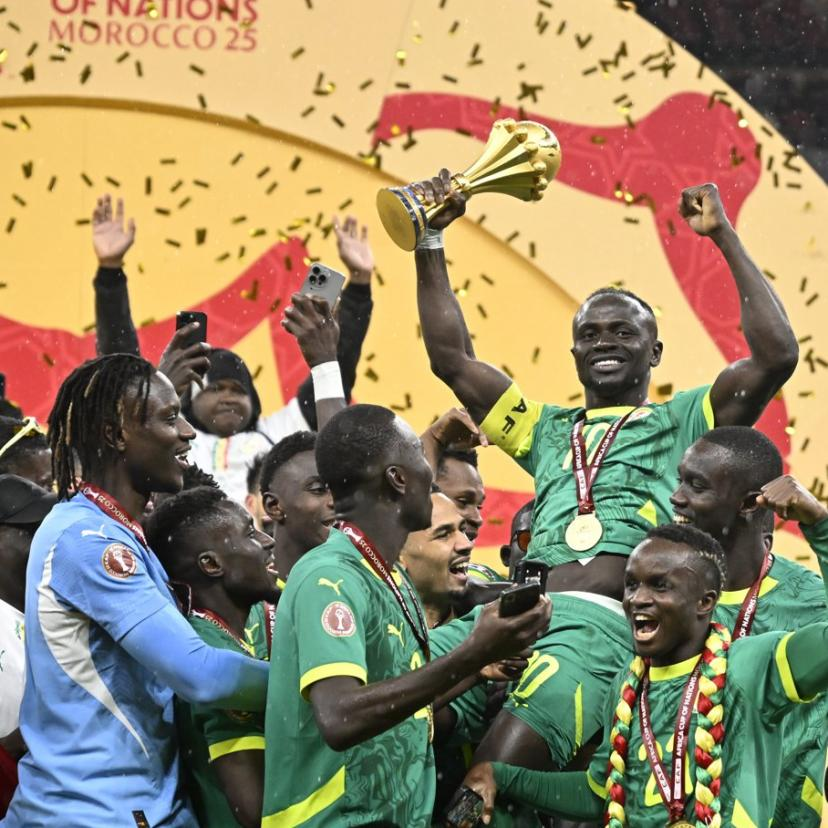
Beyond the administrative aspects, this is also a strategic issue for CAF. The competition remains one of the most-watched sporting events in the world, with an estimated audience of several billion viewers and a strong presence on digital platforms. In this context, the selection of host countries represents a major lever for economic development, infrastructure, and international visibility for the candidate nations. The AFCON has also become a tool for sporting and diplomatic influence, which enhances interest around each bidding cycle.
However, the chosen timeline poses a significant constraint. The 2027 AFCON, already awarded to the trio of Kenya–Tanzania–Uganda, will take place from June to July 2027. The proximity to the 2028 edition leaves little time for federations to prepare solid bids and mobilize the necessary infrastructure. This situation could limit the number of truly competitive bids in the short term. Several countries are already being mentioned, such as Morocco, Egypt, South Africa, and Ethiopia, which could leverage their past experience to position themselves.
The Confederation Africaine de Football (“CAF”) has invited its Member Associations (“MAs”) that represent 54 African countries, to submit bids to host the CAF AFRICA CUP OF NATIONS (“AFCON”) 2028, 2032 and 2036.https://t.co/ucL6y07WL5
— CAF Media (@CAF_Media) July 3, 2026
For the 2032 and 2036 editions, the prospects seem more open. More federations could enter the race, especially those that have never hosted the competition despite repeated ambitions. Zambia and Equatorial Guinea are among the often-cited potential candidates. In the coming months, CAF will need to review the bids and refine its strategy to consolidate the stability of its future competitions while seeking to enhance the credibility and attractiveness of its bidding process.
The Confederation africaine de football (CAF) has officially launched the call for bids to host the Africa Cup of Nations 2028, 2032, and 2036.
The organization has invited its 54 member federations to submit their bids, according to a statement.
Senegal 🇸🇳 aims for the… pic.twitter.com/eY0NFozzbv
— 13football_com (@13footballC) July 4, 2026


