

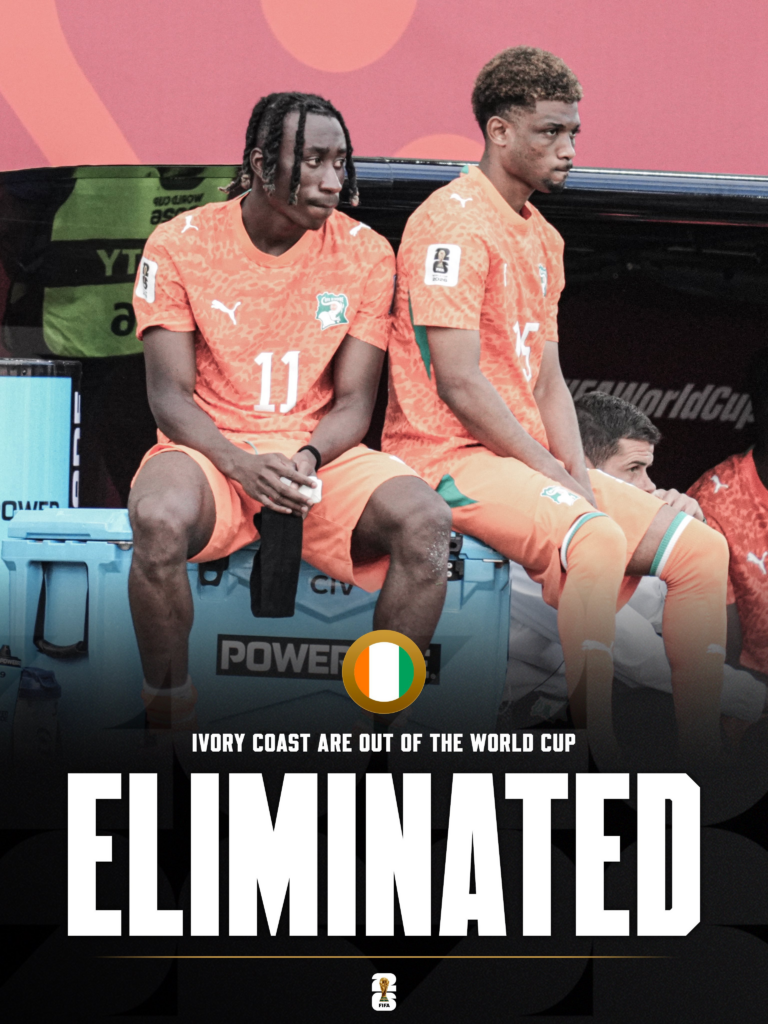
The match between Côte d’Ivoire and Norway in the Round of 16 of the 2026 World Cup was filled with intense tension and major refereeing controversy. The game, played at a fast pace, quickly turned electric after several disputed decisions. The Ivorians, struggling against Norway’s organization, repeatedly challenged the officiating, feeling they were not treated fairly during key moments of the match. The atmosphere grew tense as the minutes passed, especially after a contentious incident in the opposing penalty area.
The central episode occurred during a play involving Nicolas Pépé, where the Ivorian players called for a penalty after a contact deemed sufficient for a foul. The referee, after consulting or not with the VAR depending on the phases, decided not to award a penalty, immediately causing confusion among the Ivorian bench and supporters. This decision quickly became the focal point of the debate, with some arguing that the video assistance should have intervened to correct or at least clarify the situation. Ivorian frustration grew in an already unfavorable context on the scoreboard.
In this climate of protest, Didier Drogba, the iconic former captain of the Elephants, reacted strongly to the refereeing decision. Highly critical of the video officiating, he expressed his disbelief at the lack of punishment for the controversial play. He notably stated, “It’s shameful! Look at the penalty not given for Nicolas Pépé! What’s the point of VAR?” This statement, widely shared, amplified the debate around officiating and the use of VAR in major international competitions.
Drogba’s comments quickly fueled a broader discussion about the consistency of refereeing decisions in the tournament. Several observers believe that the use of VAR, intended to reduce clear errors, is sometimes still open to interpretation, which keeps the controversies alive. Others remind us that video assistance does not completely replace the judgment of the central referee, especially on contacts deemed “insufficient.” In this context, the decision made on Pépé’s action has become another example of the perceived limits of the system.
Didier Drogba: “Utanç verici! Nicolas Pepe’ye çalınmayan penaltıya bakın! VAR ne işe yarıyor?” pic.twitter.com/RA4IPq7Q68
— De Marke Sports (@demarkesports) June 30, 2026
Beyond this sequence, the match continued in a tense atmosphere, leaving marks in the post-match debates. Côte d’Ivoire, already under pressure in this knockout match, saw this decision reinforce the feeling of injustice expressed by its players and supporters. The controversy surrounding officiating is likely to echo long after the final whistle, reigniting discussions about the use of VAR and its real impact on fairness in international competitions.
Côte d’Ivoire – Norvège: Drogba enraged and denounces a refereeing scandal pic.twitter.com/solnnReJ86
— Onze Mondial (@OnzeMondial) June 30, 2026


