

As the 2026 World Cup approaches, kicking off on June 11 in Mexico, FIFA has made a significant increase in the bonuses for qualified teams. This decision comes amid the tournament’s expansion from 32 to 48 teams and projected revenues of nearly $9 billion for the global football governing body.
According to the new provisions, FIFA has raised the preparation bonus from $1.5 million to $2.5 million. The participation bonus has also been increased, going from $9 million to $10 million per team. Now, each qualified team is guaranteed to receive a minimum of $12.5 million even before their official competition begins. This increase directly responds to the demands from several national federations, particularly relayed by UEFA, which argued that the initial amounts did not sufficiently cover the logistical and organizational costs of participating in a World Cup.
During its meeting at the end of April in Vancouver, FIFA’s Council approved a total budget of $871 million, an increase of about 15% compared to previous estimates. At the same time, the governing body confirmed that the future world champion will receive an additional bonus of $50 million, one of the highest amounts ever awarded in the history of the competition.
For African teams, this development represents significant financial support. However, the costs associated with participating in such a tournament remain particularly high. Expenses include intercontinental flight tickets, accommodation, meals, and internal travel within North America. For reference, a night in a four or five-star hotel can cost around 400 euros per person, quickly raising the overall budget for delegations.
FIFA covers part of the accommodation costs starting five days before each team’s first official match. However, the preparation days prior are generally the responsibility of the national federations. This forces them to mobilize additional resources to ensure the logistics of training camps and gatherings.
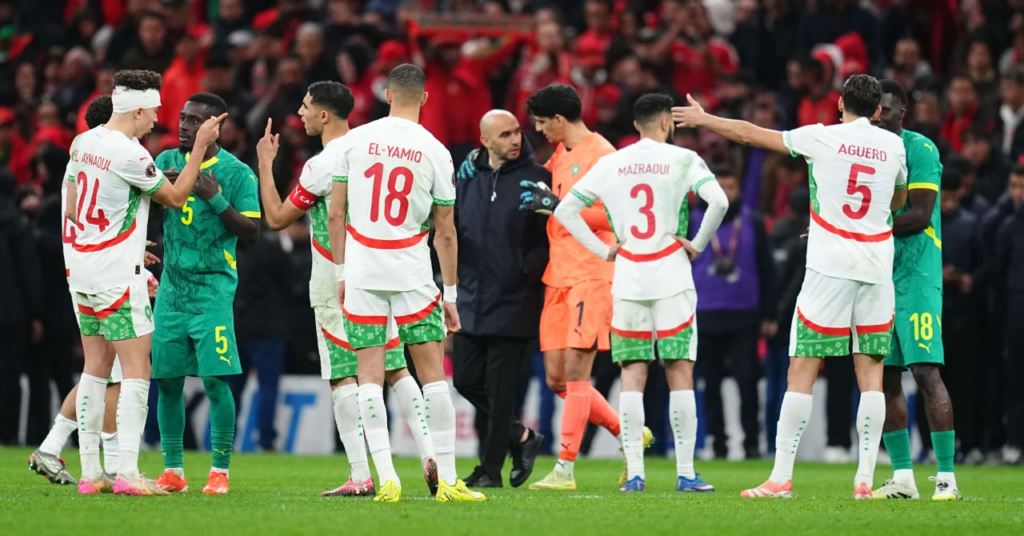
In this context, several teams have already adjusted their organization. Morocco, for example, has structured its preparation between Salé and Rabat before heading to the American continent. Senegal has also set up a training camp in Dakar, followed by a friendly match in the United States, in North Carolina, despite a loss.
To finance all these operations, federations rely on various revenue sources, including commercial partnerships, sponsors, match-related rights, and public aid. However, the latter tends to decrease, with some states believing that the funds provided by FIFA are now sufficient to cover a significant portion of expenses.
FIFA President Gianni Infantino praised the current financial strength of the organization, calling it “the most robust in its history.” According to him, the revenue generated by the competition is reinvested in the overall development of football worldwide, particularly in infrastructure and training programs.


