

The debate around the penalty awarded to Belgium at the end of the match continues to spark reactions in the football world. Asked about this controversial refereeing decision, Pep Guardiola offered a measured analysis, focusing on the spirit of the game and the consistency of decisions in crucial moments. For the coach, this type of action raises a question of clarity and uniformity in officiating at the highest level.
Journalist:
“What do you think about this penalty?”
Pep Guardiola:
“I always say that football should be decided by football. Senegal defended with incredible discipline for almost the entire match. That such a minor contact could become the turning point of the game is hard for everyone to understand.”
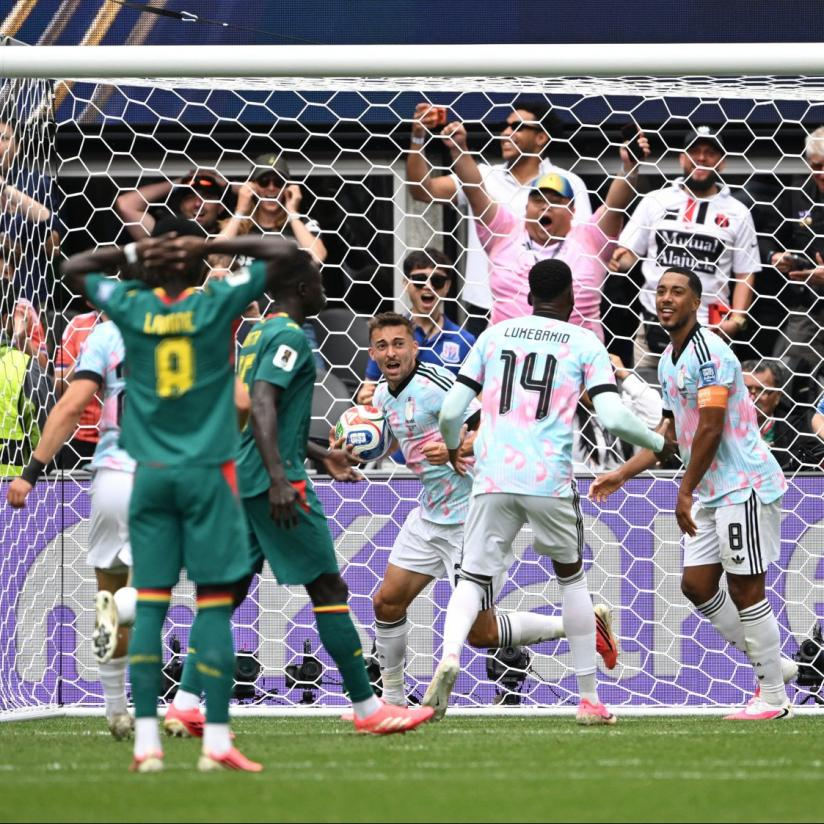
In his analysis, Guardiola emphasizes the nature of the action and its disproportionate impact in a knockout match. He highlights Senegal’s defensive solidity throughout the game, pointing out the gap between the overall quality of the performance and the outcome decided by an isolated action at the very end. This perspective fits into a broader reflection on the influence of refereeing decisions in major international events.
“If the contact isn’t absolutely clear, I don’t think a World Cup knockout match should be decided by a penalty in the last seconds. Let the players decide.”
Guardiola then broadens his comments to a more general philosophy of high-level football. He talks about the need to maintain balance in matches, especially in competitions where every detail can change the course of a season or an international cycle. According to him, the priority should remain the game itself, rather than marginal decisions made under high pressure.
“When two teams have made so many sacrifices, a whistle should never overshadow everything that happened during the 90 minutes of play.”
“Of course, the referee has to make decisions, and I respect that. But it’s these moments that make us talk about refereeing rather than football. Nobody wants that.”
🚨 Pep Guardiola on Belgium’s late penalty:
🗣️ Reporter:
“What did you make of the penalty?”🗣️ Pep Guardiola:
“I always say football should be decided by football. Senegal had defended with incredible discipline for almost the entire match. To see such a soft contact become… pic.twitter.com/q0fS3iumcN
— SethOfficial🇵🇹 (@UTD_Seth001) July 1, 2026
Finally, Guardiola concludes on the responsibility of referees and the difficulty of intervening in ambiguous situations. He acknowledges the complexity of referees’ roles while believing that some decisions should be made with more caution when they can determine the outcome of such an important match.
“If you can’t say for sure that there’s a penalty, then don’t blow the whistle. At this level, every decision has huge consequences.”


