

Didier Drogba reflected on Senegal’s elimination from the 2026 World Cup, which came after a match marked by yet another highly controversial refereeing decision in the final minutes. The former Ivory Coast international delivered a lengthy and critical analysis, focusing on the recurring controversies and their impact on the credibility of major international competitions.
In his remarks, he began by questioning the frequency of these controversial situations at the highest level:
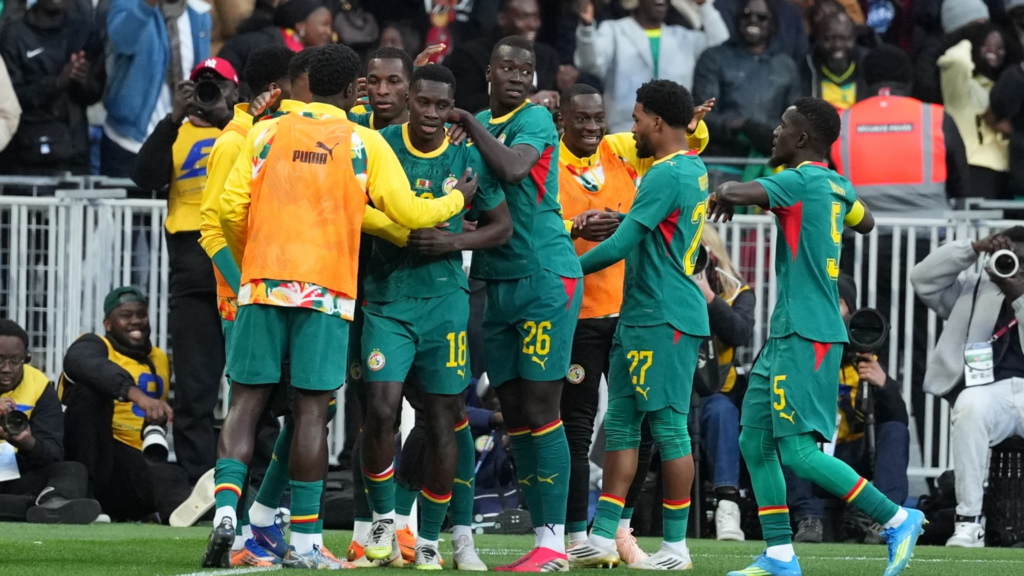
“How many times does this have to happen before someone finally speaks the truth? Tonight, Senegal didn’t just lose a football match… they watched another dream die because of a decision that will spark debate for years.”
He then emphasized the accumulation of similar episodes during recent major tournaments, expressing a frustration that goes beyond just one match. According to him, these recurring scenarios fuel a lasting misunderstanding around certain decisive decisions, especially during the knockout stages of major international competitions.
“The situation is becoming impossible to ignore. First the AFCON final, and now the World Cup. Two of the biggest nights in Senegalese football history, both ending with an entire nation asking the same question: ‘Was this really football, or were we robbed of the match?’”
The former striker continues by drawing on his high-level experience to distinguish, in his view, the obvious decisions from the more questionable situations that directly influence the course of a match. He also highlights the emotional and collective impact these episodes can provoke when refereeing becomes the center of debate.
“I’ve played football my whole life, and I know the difference between a genuine penalty and a decision that changes the course of history. When millions of people are left bewildered by a simple whistle, it’s clear that football has a serious problem.”
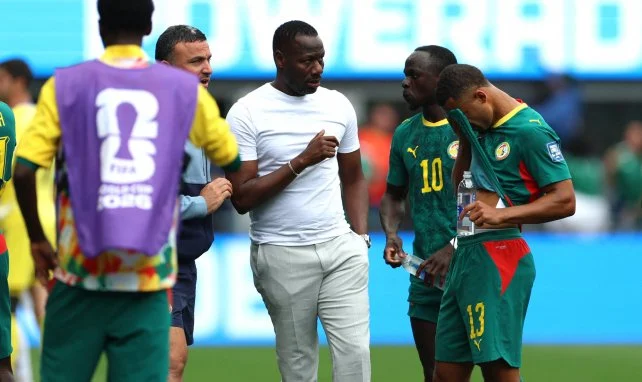
In the continuation of his statement, he describes the visible distress of the Senegalese players at the final whistle, highlighting the intensity of their commitment and the brutality of the outcome. He also questions the real effectiveness of video assistant refereeing in reducing controversies.
“Look at these Senegalese players. Some are on their knees, others are in tears, some don’t even dare to look at the supporters. They fought with all their might, overcame every challenge in this tournament, only to see their World Cup dreams vanish in the cruelest way possible.”
“Don’t tell me that VAR is here to protect football when such nights continue to happen. If technology leaves an entire nation feeling robbed, then what exactly is it protecting?”
Didier Drogba on Senegal crashing out of the 2026 FIFA World Cup after another controversial late penalty:
🗣️ “How many times does this have to happen before someone finally speaks the truth? Senegal didn't just lose a football match tonight… they watched another dream die… pic.twitter.com/yMypJnNfFf
— ᜰ 🇦🇷🇯🇵 (@markklfc) July 1, 2026
Finally, he concludes by discussing the psychological consequences of such an elimination and the lasting mark it leaves on players and supporters, caught between sporting frustration and a sense of collective injustice.
“Belgium will celebrate its victory, and it has every right to do so. But Senegal will leave with a scar that may never heal. Because deep down, every player, every coach, and every supporter will spend the rest of their lives wondering if the fate of their World Cup was decided by football… or by a whistle.”
“This isn’t just a simple elimination. It’s a real heartbreak for an entire nation. And the worst part? No one can give Senegal back those moments, those dreams, and those lost years.”


