

In a widely discussed statement following the recent controversial episodes involving Senegal, Zlatan Ibrahimović addresses the series of refereeing decisions that have marked several knockout matches. The former Swedish striker specifically mentions the AFCON final and the match against Belgium during the 2026 World Cup, both marred by disputed penalties at the end of the game. His comments, shared in the media, highlight a sense of confusion surrounding the repetition of these situations in crucial contexts.
“If I were in Senegal’s shoes, I would be asking serious questions. This is starting to become a habit. First the AFCON final against Morocco, and now another major tournament, another crucial match, and once again a penalty decision at the end that goes against them.”
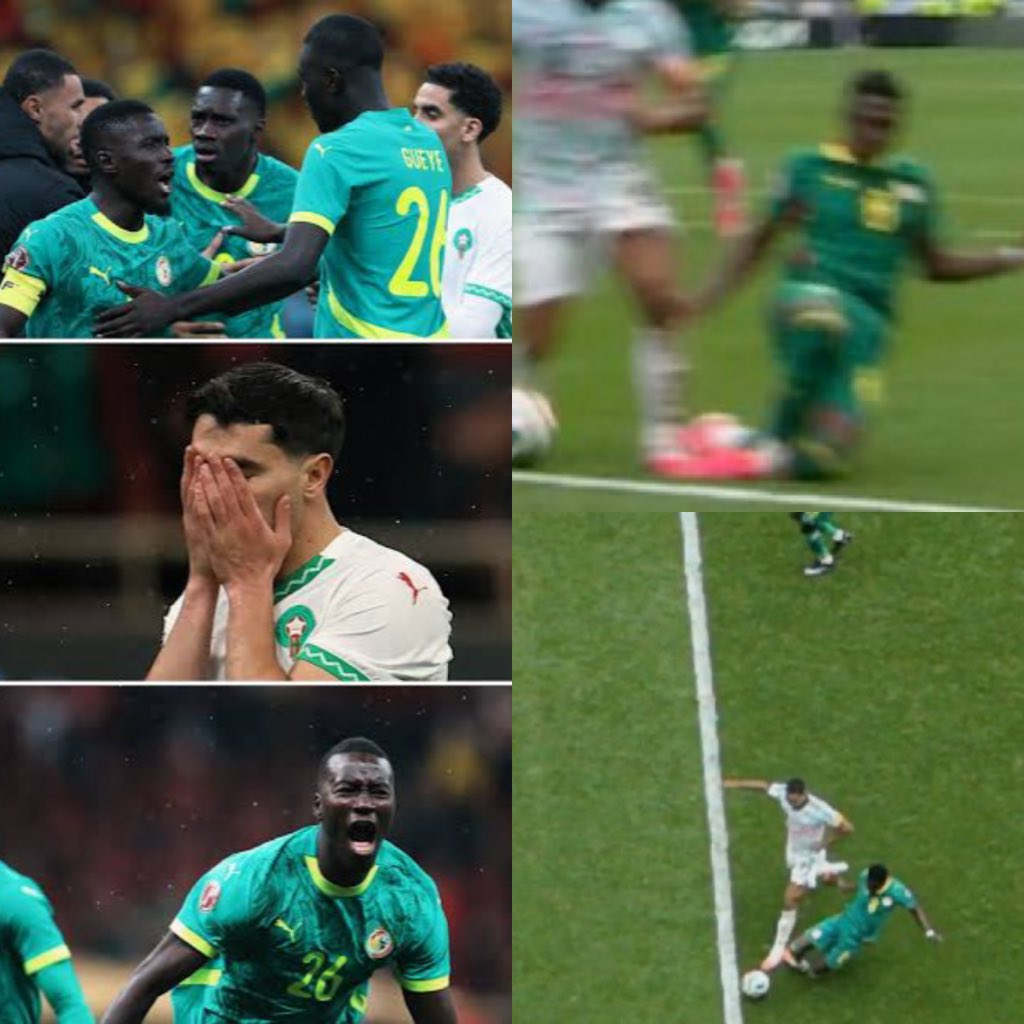
“You want to tell me that in two of the biggest matches they’ve played, the decisive moment comes from a penalty? That’s incredibly hard to accept.”
“I’ve always said that football is a contact sport. Big finals and knockout matches shouldn’t be decided by questionable decisions. Players should determine the outcome of the match, not controversial calls.”
“Imagine the frustration in the Senegalese dressing room. They fight for ninety minutes, they defend with heart, they give everything for the jersey, and once again, a simple whistle changes the entire story.”
“I understand why the Senegalese players are angry. I understand why the fans are furious. When such a thing happens twice on the biggest stages, people always end up questioning the consistency of refereeing.”
“This isn’t about Belgium or Morocco. This is about football. Players deserve consistency from referees, especially in finals and World Cup knockout matches, where a single decision can wipe out years of hard work.”
“Senegal has proven to the whole world that it belongs among the best. They shouldn’t leave these tournaments talking about refereeing decisions. They should leave talking about football.”
“If this penalty qualifies Belgium, Senegal will carry that wound for a long time, because they will always wonder what would have happened if the match had been allowed to be decided on the pitch.”
🚨 Zlatan Ibrahimović on Senegal conceding another controversial late penalty after the AFCON final and now against Belgium at the 2026 FIFA World Cup:
🗣️ “If I were Senegal, I’d be asking serious questions. This is becoming a pattern. First the AFCON final against Morocco, now… pic.twitter.com/G8OrUQrp6r
— SethOfficial🇵🇹 (@UTD_Seth001) July 1, 2026
These statements, widely circulated, fuel an already sensitive debate about refereeing in major international competitions. They also reignite discussions about the role of technology and the need for strict standardization of intervention criteria in tournament finals. For many observers, the repetition of similar scenarios in high-stakes matches increases the pressure on football’s governing bodies to ensure greater consistency and transparency in decisions that could influence the outcomes of decisive encounters. The debate remains wide open on this issue currently.


