

After the gradual release of Senegalese supporters arrested in Morocco during the CAN 2025 final, the situation of the group continues to raise many concerns. Out of the 18 people initially detained, three had already returned to Senegal earlier, while the others were recently freed following a pardon granted by King Mohammed VI. Their return home marked an important milestone in a case that captured public attention.
Upon their arrival, the former detainees were welcomed at the Palace by President Bassirou Diomaye Faye. They received special attention, including symbolic and material gestures. Each member of the group was given a sheep for the Tabaski celebration and a financial envelope of 2 million CFA francs. These measures were seen as support to aid their reintegration and demonstrate the solidarity of Senegalese authorities towards them.
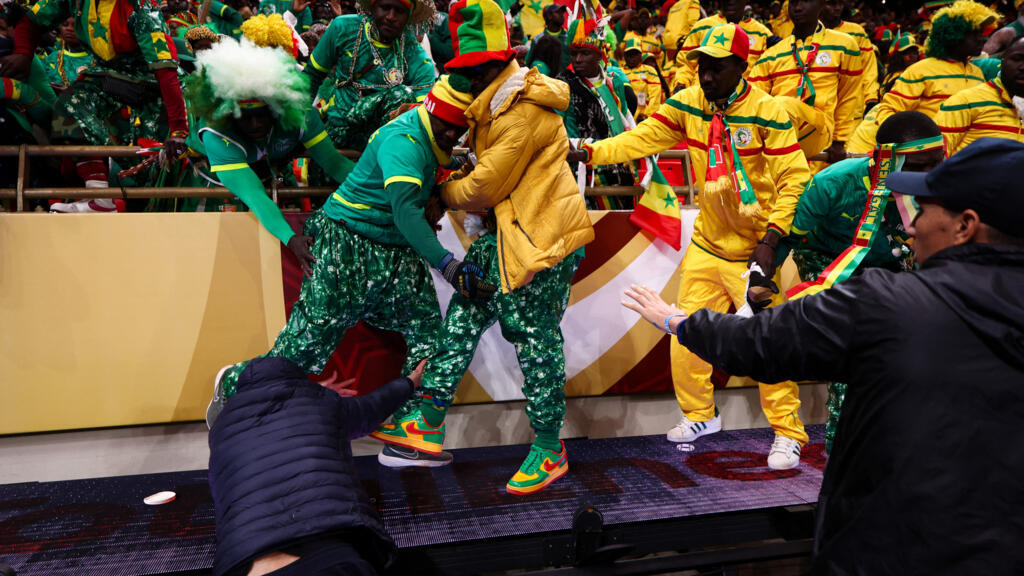
However, despite these official gestures, several former detainees claim their personal situation remains particularly difficult. The trauma from their prolonged incarceration continues to have significant repercussions on their daily lives. According to their testimonies, resuming a normal life is complex, both psychologically and physically.
“Many cannot return home. Psychologically, we are not ready yet. Physically, we also need medical follow-up after this nightmare,” warned Ibrahima Ndiaye, a member of the group, in comments reported by Le Soleil.
This statement highlights the lasting scars of their detention, including emotional distress and the need for appropriate medical support. It also illustrates the difficulty some face in regaining their social and family bearings after this experience.
The same sentiments were echoed during a meeting between the 18 supporters of the Lions and Amsatou Sow Sidibé, the president of the National Human Rights Commission (CNDH). This meeting aimed to assess their current situation and explore possible support measures for their care.
According to information reported by Le Soleil, several major concerns were expressed by the former detainees. Some indicated they lost their jobs during their incarceration, complicating their economic and social reintegration. Others mentioned ongoing psychological difficulties that require specialized follow-up.
The national daily also noted that Amsatou Sow Sidibé highlighted a particularly worrying situation: “Several supporters were working abroad before their arrest and now find themselves in precarious situations, unable to resume their professional activities.”
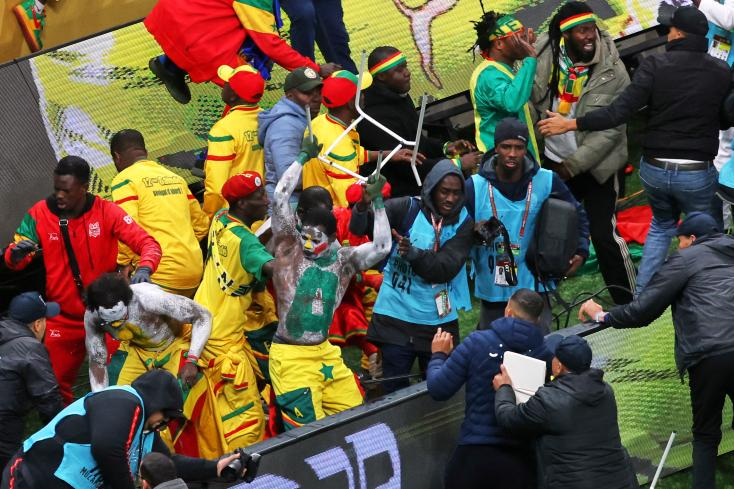
This reality highlights the lasting impact of their detention on their financial and professional stability. Deprived of their initial jobs and facing administrative or personal obstacles, some find themselves in a state of great vulnerability.
In this context, the question of their overall support remains crucial, especially regarding medical care, psychological support, and professional reintegration programs. Authorities and concerned organizations are called upon to continue their efforts to help these supporters gradually regain a normal life after this ordeal.


