

Senegal – Norway: A Controversial Decision Surrounding Koulibaly
Senegal’s defeat to Norway (3-2) in the second round of the 2026 World Cup continues to spark analysis and interpretations among fans and within the selection circles. Beyond the sporting result, a specific choice made in the second half is drawing particular attention: the substitution of Kalidou Koulibaly in the 72nd minute. According to several reports from sources close to the team, this decision may not have followed a straightforward validation process.
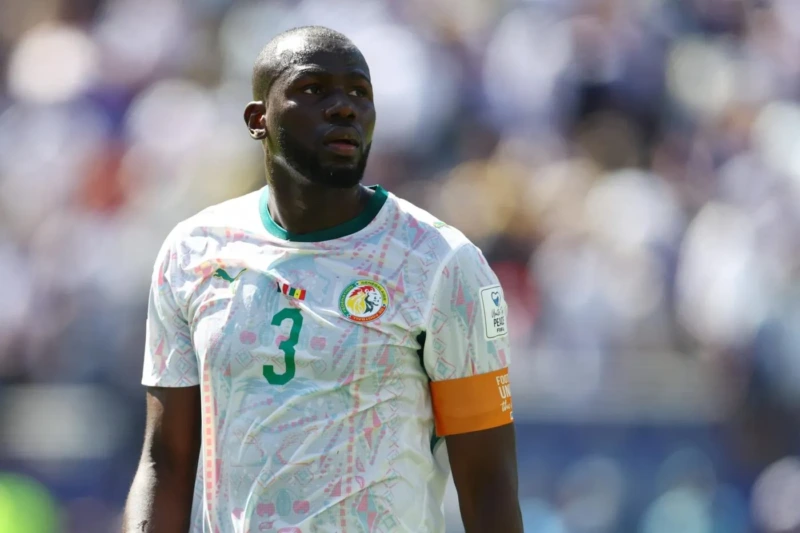
In a match already filled with tension, marked by high intensity and moments of defensive struggle for Senegal, the captain’s exit was seen as a turning point. It immediately raised questions about the internal decision-making dynamics and whether some senior players influenced the substitutions made during the game.
According to information gathered from sources close to the team, coach Pape Thiaw did not initially plan to replace his central defender at that specific moment in the match. The unfolding scenario did not seem to demand an immediate change in the defensive line, despite a performance that was generally below collective expectations.
These same sources suggest that the idea of a substitution gradually emerged, influenced by several exchanges on the sidelines and a different reading of the situation by some players in the locker room. The context of a high-intensity match, combined with occasional defensive errors, contributed to accelerating discussions about an adjustment in the team’s organization.
What particularly stands out in this sequence is the potential involvement of key players in the final decision. Unofficial information mentions exchanges involving Sadio Mané and Idrissa Gana Gueye, two major figures in the Senegalese squad, as the technical staff assessed the situation on the field.
If these discussions did occur, they likely focused on the need to quickly adjust the defensive setup to limit the spaces given to the opponent. The goal would have been to provide an immediate response to the Norwegian pressure, which was increasingly weighing on the Senegalese defense at that point in the match.
However, it’s important to note that these elements are based on sources close to the team and have not been officially confirmed by the technical staff or the players involved.
Within the team’s circle, some observers believe this sequence illustrates more of an internal consultation than a challenge to the coach’s authority. Modern high-level football, especially at the national team level, often includes quick exchanges between staff and experienced players during matches.
Kalidou Koulibaly 🇸🇳©️: “I made a lot of mistakes… it’s a shame” pic.twitter.com/JGhyG2Yq8v
— Taggat (@taggatsn) June 23, 2026
In this context, Kalidou Koulibaly’s substitution could be interpreted as the result of a collective evaluation of the situation rather than a decision imposed unilaterally or influenced externally. The challenge at that moment was to stabilize a defense struggling against the opponent’s transitions.
However, this version of events is not universally accepted. Many observers feel that the emphasis placed on this information reflects the significance of the result and the emotions stirred by the defeat. In such contexts, every change is often scrutinized and interpreted as a strong signal, even as an indication of internal tension.
Some analysts also remind us that tactical adjustments during a match are common and that substitution decisions can arise from multiple combined factors: fatigue, strategic adaptation, or simple readjustment against the opponent.
In this specific case, Kalidou Koulibaly’s exit could fit into a classic sporting logic, without necessarily indicating a deep disagreement within the group.
The match against Norway took place in a particularly demanding atmosphere for Senegal. After a fiercely contested first half, the team faced physical intensity and offensive efficiency from the opponent that challenged its defensive organization.
The match swung back and forth, with alternating phases of dominance. The Senegalese defense faced rapid attacks and constant movement, forcing the coaching staff to consider adjustments during the game.
This context explains the substitution of Kalidou Koulibaly, which happened at a time when Senegal was looking to regain control of the match and limit spaces in their own half.
Senegal has a squad filled with experienced players competing in top European and international leagues. In such a group, the key players often play an important role in managing critical moments, especially on the pitch.
Sadio Mané and Idrissa Gana Gueye are among the most experienced players in the squad. Their influence often goes beyond the strict confines of the game, especially in managing low moments or adjusting the collective attitude.
This doesn’t mean they directly intervene in technical decisions, but their experience and feelings on the field can be considered in discussions with the coaching staff.
At this stage, there’s no official version confirming the details put forward by some sources regarding the exact role of each party in this sequence. The Senegalese coaching staff has not provided detailed communication about the circumstances surrounding Kalidou Koulibaly’s substitution or any discussions that may have preceded this decision.
In such situations, interpretations can quickly overshadow established facts, especially after a defeat in a major competition. The internal dynamics of a national team are often difficult to reconstruct accurately from the outside.
Beyond the debates surrounding this change, the loss to Norway puts Senegal in a tricky sporting situation in their group. The Lions must now respond quickly to preserve their chances of qualification and avoid early elimination.
This sporting pressure adds another layer to the analyses surrounding the match. Every decision, every tactical choice, and every sequence of play are now viewed through the lens of the final result.
The episode of Kalidou Koulibaly’s substitution illustrates how a high-level match can generate multiple and sometimes contradictory readings. Between technical decisions, on-field feelings, and outside interpretations, the boundary is often hard to establish with certainty.
While awaiting any potential official clarifications, this sequence remains just one element among others in a match marked by intensity and twists. Senegal, now backed against the wall, must focus on the rest of their competition to reignite their sporting momentum.


