

“It’s Ivory Coast that takes France off what we call the number 1 spot in the world. And Ivory Coast showed that tactically, they were up to date. That means a first half where they observed the opponent, trying to block the channels.”
For example, I didn’t know what Oumar Diakité was doing at the World Cup, but I could see his real job was to be a defender blocking Théo Hernandez. I felt that tactically, Emerse Faé outsmarted Didier Deschamps with his substitutions.
So when I look at that, I can’t say it was a friendly match. There are no more friendly matches. Otherwise, France hasn’t lost a preparatory friendly in 16 years, so they take this seriously.
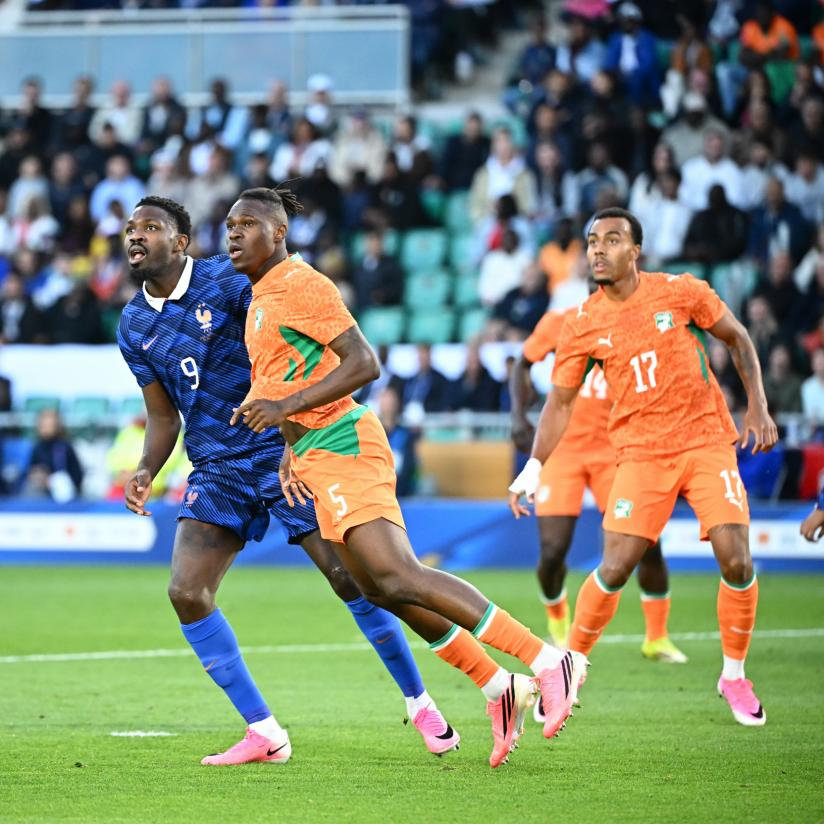
And all the people in the French team are internationals, but this time France found someone stronger. They all play for big clubs, meaning we didn’t pick players from small clubs. Everyone wants their starting spot, so everyone wanted to show off. If they were overwhelmed, I have to say it’s because Ivory Coast pushed them around.” Rémy NGONO: “Ivory Coast is above the French team.”
In this statement, Rémy Ngono highlights a sharp analysis of Ivory Coast’s performance against the French team. According to him, this match illustrates a temporary shift in the global hierarchy, where the Ivorians demonstrated tactical superiority and particularly effective collective organization.
The observer first emphasizes the quality of the game plan set up by the Ivorian team. He mentions a first half marked by a cautious and structured approach, observing the opponent while reducing space in the channels. This defensive discipline limited French initiatives and prevented offensive players from fully expressing themselves in their preferred areas.
A specific example is given with Oumar Diakité’s role, whose mission was largely focused on defensive duties. His activity involved neutralizing certain opposing advances, particularly those of Théo Hernandez. This tactical repositioning is presented as a symbol of Ivory Coast’s strategic adaptation, capable of adjusting offensive profiles to specific defensive tasks according to the match’s needs.
The analysis also highlights the impact of Emerse Faé’s choices. The Ivorian coach is described as having gained the upper hand in managing substitutions, influencing the match’s flow with adjustments more relevant than those of his French counterpart, Didier Deschamps. This perspective reinforces the idea of overall mastery of the game plan on the Ivorian side.
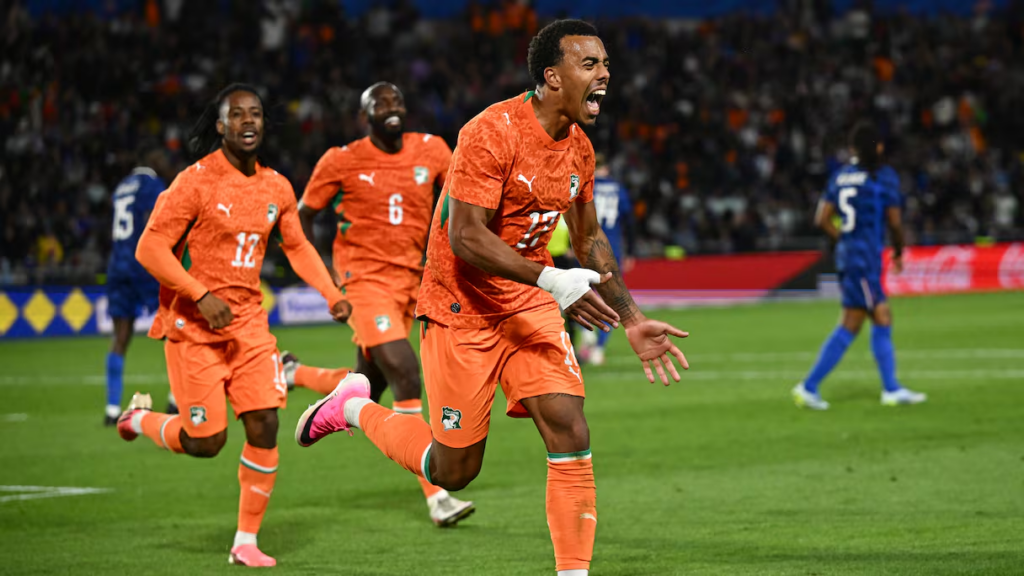
Ngono also downplays the idea of a meaningless match. He believes it’s hard to talk about a friendly encounter when both teams field their best players. France, boasting its invincibility in preparatory matches for several years, approaches this type of game seriously, which makes the Ivorian performance even more significant in his view.
Finally, he reminds us that most French players play in top European clubs, making the confrontation even tougher on paper. Yet, despite this high individual level, Ivory Coast managed to impose a more cohesive and aggressive collective in duels.
Thus, the conclusion of this analysis highlights a central idea: Ivory Coast succeeded in unbalancing a French team composed of experienced players from the highest level, thanks to superior tactical organization and better-managed collective intensity.


