

The idea of Portugal winning the next World Cup continues to spark discussions. This time, it’s Brazilian legend Cafu who shares his thoughts, candidly and without hesitation.
Double World Cup champion with Brazil, the former right-back acknowledges the exceptional talent within the Portuguese squad. According to him, few national teams in Europe can boast as many key players performing in the biggest clubs on the continent, regularly starting in the Champions League and making decisive contributions at the highest level.
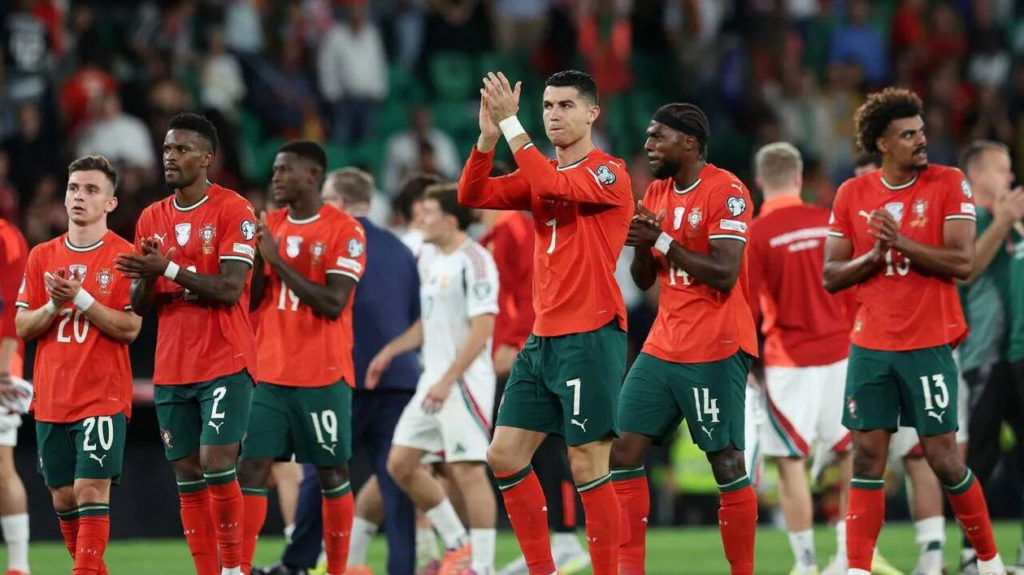
On an individual level, Cafu is clear: Portugal is part of, if not dominating, the global elite in terms of talent. “Portugal has the best players in the best clubs in Europe,” he states, believing no other nation has such a concentration of quality.
But this praise comes with an important caveat. For the former Brazilian captain, Portugal’s real challenge is not technical or physical. It’s collective and mental. In his eyes, the Seleção still lacks a clear identity and total cohesion.
“What Portugal lacks is unity, the conviction of knowing who they play for, how, and why,” he explains. In other words, talent alone isn’t enough to win the biggest trophies.
To support his analysis, Cafu refers to Brazil’s victorious experience at the FIFA World Cup in 2002. That year, the Brazilian team made a strong strategic choice: to build their game around Ronaldo and Rivaldo.
“We decided to play for them. The group made it a principle, and everything fell into place,” he recalls. This clear guiding principle and unity of intent transformed a talented group into world champions.
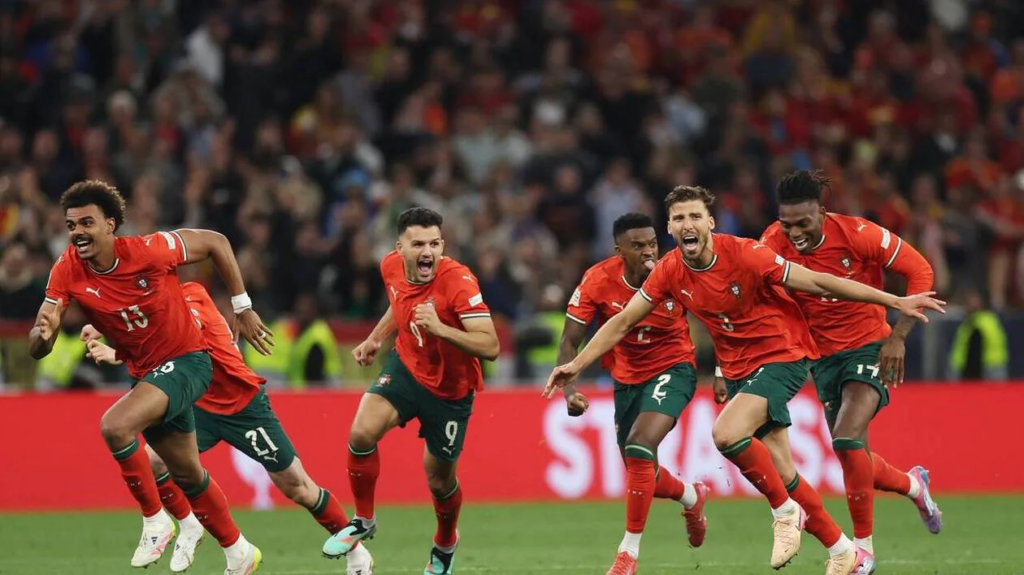
The message to Portugal is clear: there’s no need to add more stars. The key lies in defining a common project, establishing strong leadership, and sharing a vision. As long as individual talents take precedence over the collective, results may fall short of their potential.
For Cafu, the day this awareness happens, Portugal can aim for the top of the world. “Once they understand this, they will be unstoppable,” he concludes, reminding us of an unchanging truth in football: great competitions are rarely won by isolated talents, but almost always by the most united teams.


