

In the wake of Pape Thiaw’s dismissal as head coach of the Senegal national team, new revelations are surfacing about the challenges he faced during his time with the Lions. The Senegalese Football Federation (FSF) officially decided to end his tenure after Senegal’s elimination from the 2026 World Cup. The federation’s secretary general, Abdoulaye Saydou Sow, shed light on a matter that had long remained in the shadows: the signing of the coach’s contract, which was never finalized before the World Cup began.
In an appearance on the show Point de Vue on RTS 1, Abdoulaye Saydou Sow admitted that the management of this issue was not optimal. Without placing all the blame on one party, he explained that several actors were involved in the process. “The question of the coach’s contract does not solely fall on the Senegalese Football Federation, because it is the State that pays,” he stated. He also clarified that “Since February 26, 2026, the president of the Federation submitted a draft contract to the coach.”
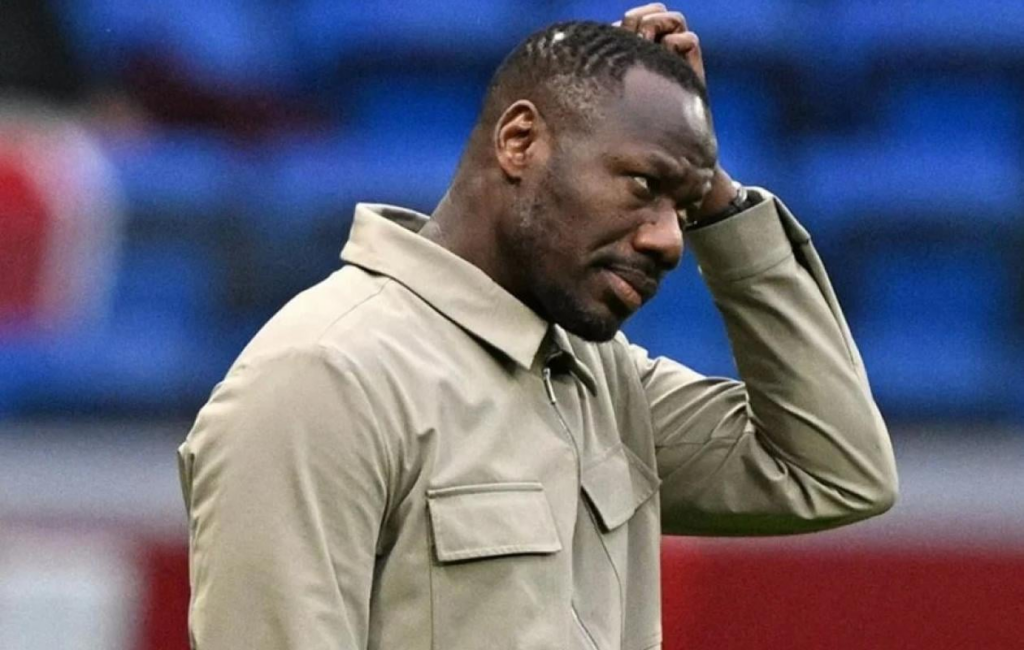
According to the secretary general, initial discussions quickly hit a snag over financial aspects. After the draft contract was sent, Pape Thiaw’s response revealed several points of disagreement. “When we received the response, we presented it to Pape. And Pape disagreed on the amounts and the process,” Abdoulaye Saydou Sow explained. Negotiations then became complicated, preventing a final agreement from being reached before the World Cup kicked off.
The federation leader claims that the Ministry of Sports proposed to maintain a salary continuity with the previous coach. “The Ministry of Sports suggested aligning Pape Thiaw’s salary with Aliou Cissé’s last salary,” he noted. A proposal that the Senegalese coach reportedly rejected. “Pape Thiaw did not agree. After that, he involved his lawyers. He wanted more,” Abdoulaye Saydou Sow continued. He added that discussions also revolved around “bounties” and “special allowances,” elements that required prior approval from state authorities.
The FSF secretary general acknowledges that this lack of a contractual agreement may have impacted the national team’s calm before the tournament. He even speaks of an “oversight” in managing the issue, while reminding that the responsibility was collective. “All three parties are involved: the State, the Federation, and Pape Thiaw,” he insisted. For him, administrative burdens and the distribution of responsibilities significantly contributed to slowing down negotiations.
Abdoulaye Saydou Sow also revealed that during the height of the tensions, the intervention of the President of the Republic was crucial in preventing an even deeper crisis just weeks before the World Cup. “Fortunately, what saved the day here was the direct involvement of the Head of State, which helped calm things down and find a solution,” he confided. This mediation reportedly stabilized the situation temporarily so the national team could prepare for the competition in a more serene environment.
🎥 Why did the FSF dismiss Pape Thiaw? Abdoulaye Sow provides explanations
▶️ Extract #pointdevue – Sunday, July 12, 2026
🔗 Find the full story here⤵️https://t.co/CbZM8YKJAL pic.twitter.com/9Ai2f7IKeV
— RTS SENEGAL (@RTS1_Senegal) July 12, 2026
For the secretary general of the Federation, this matter highlights the need to clarify the roles between the State and the FSF in managing national team coaches’ contracts. According to him, the current setup creates confusion that undermines the authority of the federation. “At some point, even the Federation loses its authority over its coach, because in truth, the one who pays almost commands,” he concluded, believing that a reform of the system is essential to prevent such a situation from happening again in the future.


