

Private jets, police escorts, luxury hotels, and lightning-fast trips from one stadium to another: since the start of the 2026 World Cup, Gianni Infantino has been everywhere on the American continent. His constant, almost spectacular presence stands in stark contrast to the much more subdued daily lives of fans… and even some national delegations.
In a neighborhood of Miami Beach, a scene recently caught the attention of passersby. An impressive convoy of police Harley-Davidson motorcycles suddenly roared through the city streets, lights flashing and sirens blaring, instantly grabbing the attention of tourists gathered on the famous Collins Avenue.
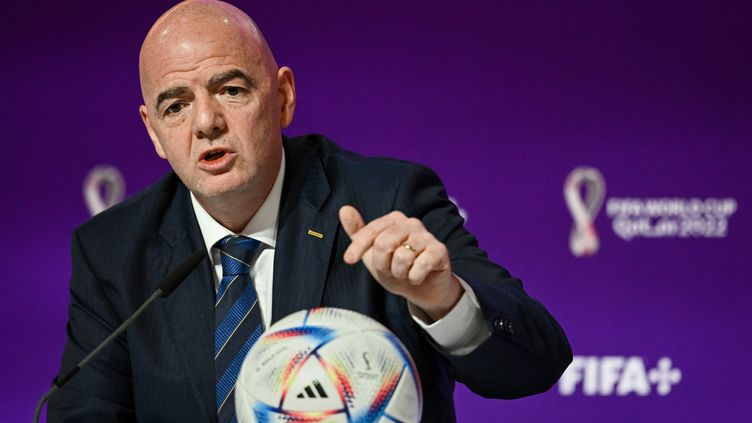
At the center of this secure operation, a black SUV with tinted windows sped through, closely escorted by law enforcement. Witnessing this spectacle, worthy of the highest official protections, some observers speculated about the identity of the passenger. “It must be Trump,” a British tourist reportedly said to the Telegraph, thinking he recognized a presidential movement.
But the reality was quite different: it was Gianni Infantino. This scene alone illustrates the intensity of the security arrangements surrounding the FIFA president during this 2026 World Cup, with oversized protocols, heightened security, and movements fit for the highest international authorities. This image almost symbolically summarizes the contrast between the pinnacle of world football and the much more ordinary lives of other tournament participants.
A private jet at Infantino’s disposal
Since the opening match between Mexico and South Africa at the Azteca Stadium, the FIFA boss has been on the move at a particularly brisk pace. Mexico City, Guadalajara, San Francisco, Vancouver, Los Angeles, Miami, Seattle… in just a few days, Gianni Infantino has crossed North America multiple times, following the competition’s schedule.
Thanks to a private jet provided by Qatar Airways, the Swiss leader has even been spotted at several matches played on the same day, juggling time zones and thousands of kilometers without apparent constraints. The logistics are estimated to cost between 400,000 and 800,000 euros for the entire tournament, a level of comfort inaccessible not only to fans but also to most journalists and national delegations themselves.
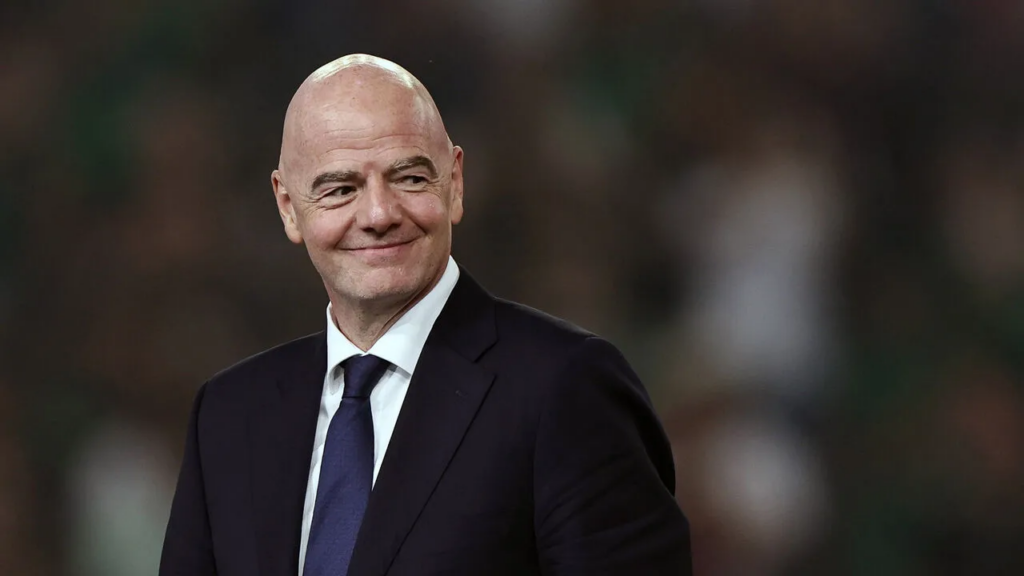
This omnipresence, regularly captured by the cameras of official broadcasts — Infantino smiling in the VIP stands, shaking hands, making numerous protocol appearances — inevitably fuels comparisons. Especially since his earnings reflect this extraordinary status. According to figures released by FIFA, the president receives an annual gross salary of 2.44 million euros, plus a performance bonus of 1.8 million euros in 2025, bringing his total compensation to 4.24 million euros.
While the FIFA president crosses the United States in a matter of hours, fans must deal with a very different reality.
A striking contrast with fans and teams
The numbers speak for themselves. The average price of a ticket for this 2026 World Cup is estimated at 1,603 dollars, and following a team through the tournament can represent a total budget exceeding 60,000 dollars, including intercontinental flights, accommodations in several host cities, and internal travel between the three host countries.
Faced with such constraints, even some players’ families have had to adjust their plans. Several relatives of internationals have chosen to group together in one area, particularly in Florida, to avoid endless journeys across the continent and limit the logistical costs of such an extensive tournament.
This contrast between the ultra-smooth travels of FIFA president Gianni Infantino and the struggles faced by supporters or even players’ families had already been highlighted before the tournament. It now stands out even more clearly, especially as some teams have encountered administrative or logistical hurdles, like Iran with visa issues or Uruguay having to change its travel plans.
When asked about these criticisms, Gianni Infantino defended the overall organization of the tournament: “Sometimes, it’s good to just relax and take it easy. We’re trying to sort everything out. Sometimes, shouting and screaming has the opposite effect.” This response, far from closing the debate, continues to fuel discussions about the growing gap between the elite of world football and its fans.


