

The controversy surrounding the Ballon d’Or continues to fuel debates in the football world. Years after some particularly contentious editions, opinions remain deeply divided on the criteria for awarding the most prestigious individual honor in the sport. This time, it’s Claude Makélélé who has reignited the discussion with a very critical analysis of the winner selection process. The former midfielder for the French national team, known for his frankness, believes that some decisions have undermined the trophy’s credibility.
According to Makélélé, the main issue lies in the sometimes excessive importance placed on major international competitions at the expense of consistent performance throughout the club season. For him, a player who shines for eight or nine months in national and European competitions shouldn’t be overshadowed just because of an international tournament, no matter how prestigious. He believes this logic creates inconsistency in the voting criteria.
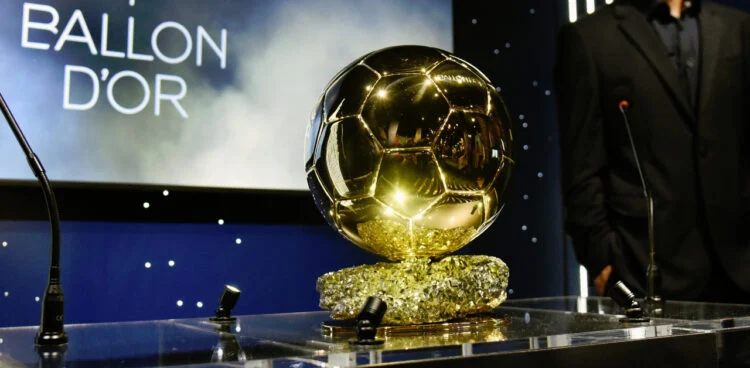
The former Chelsea and Real Madrid player believes that several editions of the Ballon d’Or have left many observers feeling a sense of injustice. In his eyes, some players have suffered due to a system that sometimes favors fame or media impact over performances throughout an entire season. This reflection aligns with a recurring debate among fans, journalists, and former players for many years.
Claude Makélélé didn’t hesitate to cite Lionel Messi as an example, whose multiple wins continue to spark discussions. Without questioning the Argentine’s exceptional talent, he believes some awards should have gone to other players who, in his view, had a more complete season. He specifically mentions Harry Kane, Rodri, Erling Haaland, and Andrés Iniesta as players who deserved more recognition.
Here are Claude Makélélé’s words:
“The Ballon d’Or is still bending the rules for Messi. Why play the season in a World Cup year, then? Just pretend to be injured. I don’t think a seven-match tournament should outweigh eight months of consistent club football. Harry Kane and Rodri should be right at the top of the rankings, not Messi.
Messi won the Ballon d’Or in 2010 despite scoring just one goal in the World Cup, leaving Andrés Iniesta empty-handed. At that time, it all seemed ridiculously corrupt. He outshone Erling Haaland, and he outshone Iniesta and many others too.”
These statements will surely provoke reactions as opinions remain divided on the matter. Supporters of Lionel Messi remind us that his influence on the game far exceeds statistics and that his entire career justifies the accolades he has received. Conversely, critics of the voting system argue that the Ballon d’Or should reward only the best individual season, without being swayed by a player’s reputation or past achievements.
🚨🚨 Claude Makélélé pulls no punches on the Ballon d’Or controversy:
“The Ballon d’Or are tweaking the rules again for Messi. Why play the season in a World Cup year, then? Just fake an injury. I don’t think a seven-match tournament should somehow outweigh eight months of… pic.twitter.com/ibhEIqSOAo
— BlaqWit⚡️ (@BlaqWit_MCFC) July 17, 2026
The debate is even more sensitive as the criteria for the Ballon d’Or have evolved multiple times over the years. The importance given to collective trophies, individual performances, consistency, and international competitions is regularly discussed. Each edition raises the same questions: should we prioritize the most decisive player, the most consistent one, or the one who has won the biggest titles?
Whatever the opinions, Claude Makélélé’s comments reflect a persistent unease surrounding this award. They illustrate once again how the Ballon d’Or remains a passionate subject, capable of dividing players, coaches, pundits, and fans around the world. While some view Lionel Messi as an undisputed winner, others continue to believe that several big names in football should have their names on the list. One thing is certain: the controversy surrounding the Ballon d’Or is far from over.


